
목차
DAP는 Delivered At Place의 약자로, 물품을 해당 국가로 반입하기 위한 통관까지 판매자에게 책임을 지우지 않으면서 판매자가 물품을 지정 목적지까지 운송하도록 하는 Incoterms 규칙입니다. 판매자는 물품이 지정 장소에서 도착 운송수단에 실린 상태로 구매자가 처분할 수 있게 놓이고 하역 준비가 되었을 때 인도합니다. 이 시점에 위험이 이전됩니다. 이후 구매자는 물품의 수입통관을 진행하고 관세와 세금을 납부하며 하역합니다.
이러한 분담이 이 규칙의 핵심이며, 대부분의 비용이 집중되는 지점입니다. DAP는 주운송, 운송 중 위험, 목적지까지 발생하는 모든 비용이라는 긴 구간을 판매자에게 맡기는 한편, 수입 절차와 관세는 자국의 세관 당국을 상대하기에 더 유리한 구매자에게 남겨 둡니다. DAP는 선적항에서 선박에 적재되는 시점에서 끝나는 CIF와 판매자에게 수입통관과 관세까지 부담시키는 DDP의 중간에 위치합니다.
이 가이드에서는 현행 규칙상 DAP의 의미, 위험이 이전되는 시점과 양 당사자의 의무, DAP가 DDP가 아닌 이유, 기존의 DDU와 DAF 조건은 어떻게 되었는지, 하역과 관련해 DAP가 DPU와 어떻게 다른지, 거래에 이 규칙이 적합한 경우, 그리고 인도 견적을 손실로 바꾸는 실수에 대해 설명합니다.
규칙상 DAP의 의미
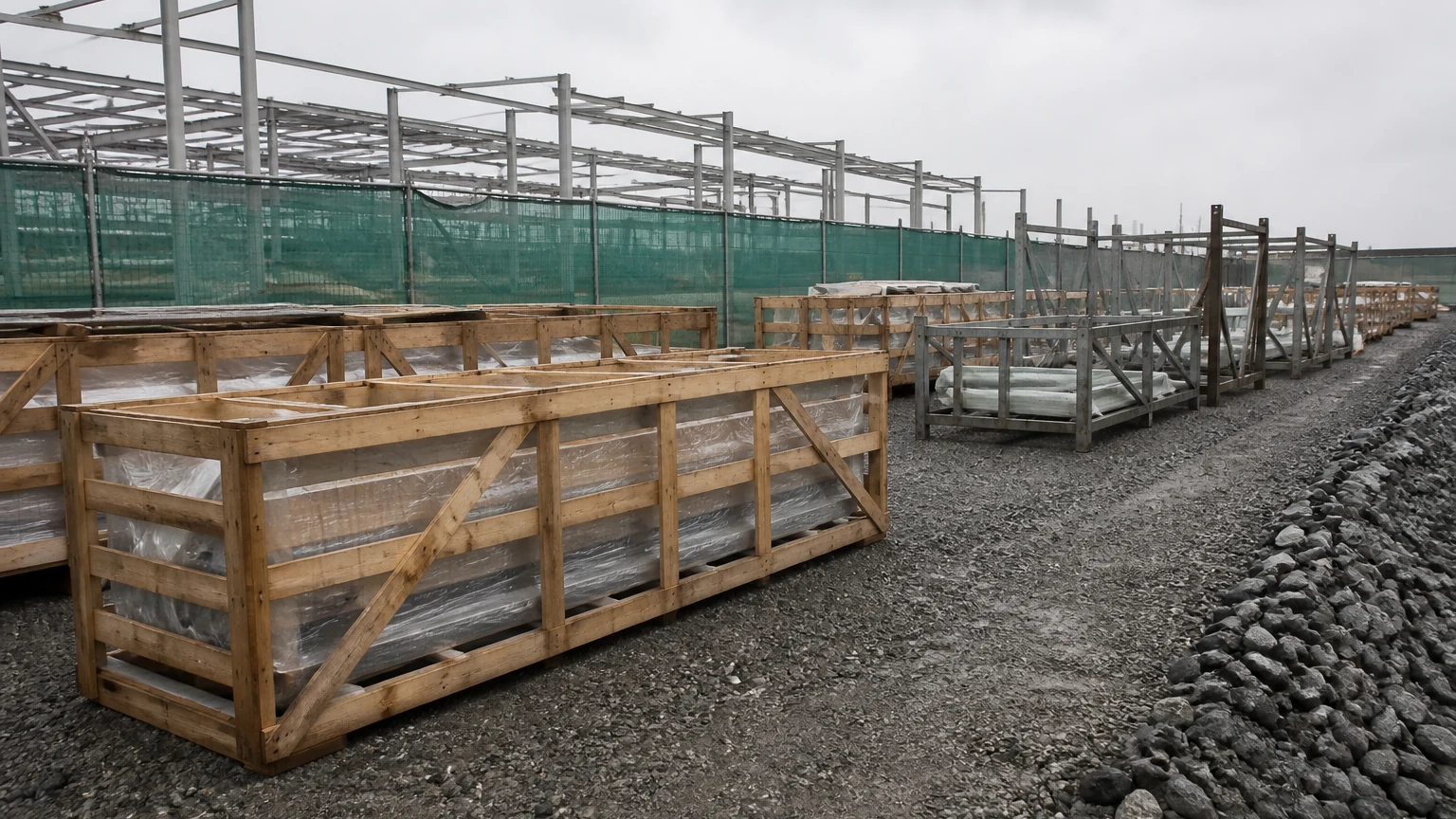
DAP는 도착지 인도 조건이므로 판매자의 의무는 물품을 운송인에게 인계하는 장소가 아니라 물품이 도착하는 장소를 기준으로 정해집니다. 판매자는 지정 목적지까지의 운송계약을 체결하고, 도착 운송수단에 실린 물품이 그곳에서 구매자가 처분할 수 있게 놓여 하역 준비가 되었을 때 인도합니다.
두 가지 특징이 이 규칙을 규정합니다. DAP는 모든 운송 방식 — 도로, 철도, 해상, 항공 또는 이들의 조합 — 에 적용되므로, 실제 운송 과정에서 운송인이 여러 차례 변경되는 복합운송 및 컨테이너 운송에서 선호되는 도착지 인도 조건입니다. 또한 지정 장소가 결정적입니다: 이 규칙은 도시나 지역으로 인도하는 것이 아니라, 계약서에 정확히 특정해야 하는 지점으로 인도합니다.
DAP가 가장 자주 부정확하게 작성되는 부분이 바로 이 두 번째 특징입니다. “DAP Chicago”와 “DAP 1240 West Fulton Street, Chicago, dock four”는 동일한 계약이 아닙니다. 전자는 인도 지점을 열어 두므로, 물품이 해당 대도시권에 들어온 후 이어지는 운송 비용을 누가 부담하는지 어느 당사자도 알 수 없고 하역 의무도 정해지지 않습니다. 후자는 특정 부두에서 인도가 이루어지도록 확정하며, 인도에 따라 발생하는 모든 비용 문제도 함께 명확해집니다.
위험이 이전되는 시점과 판매자가 부담하는 사항
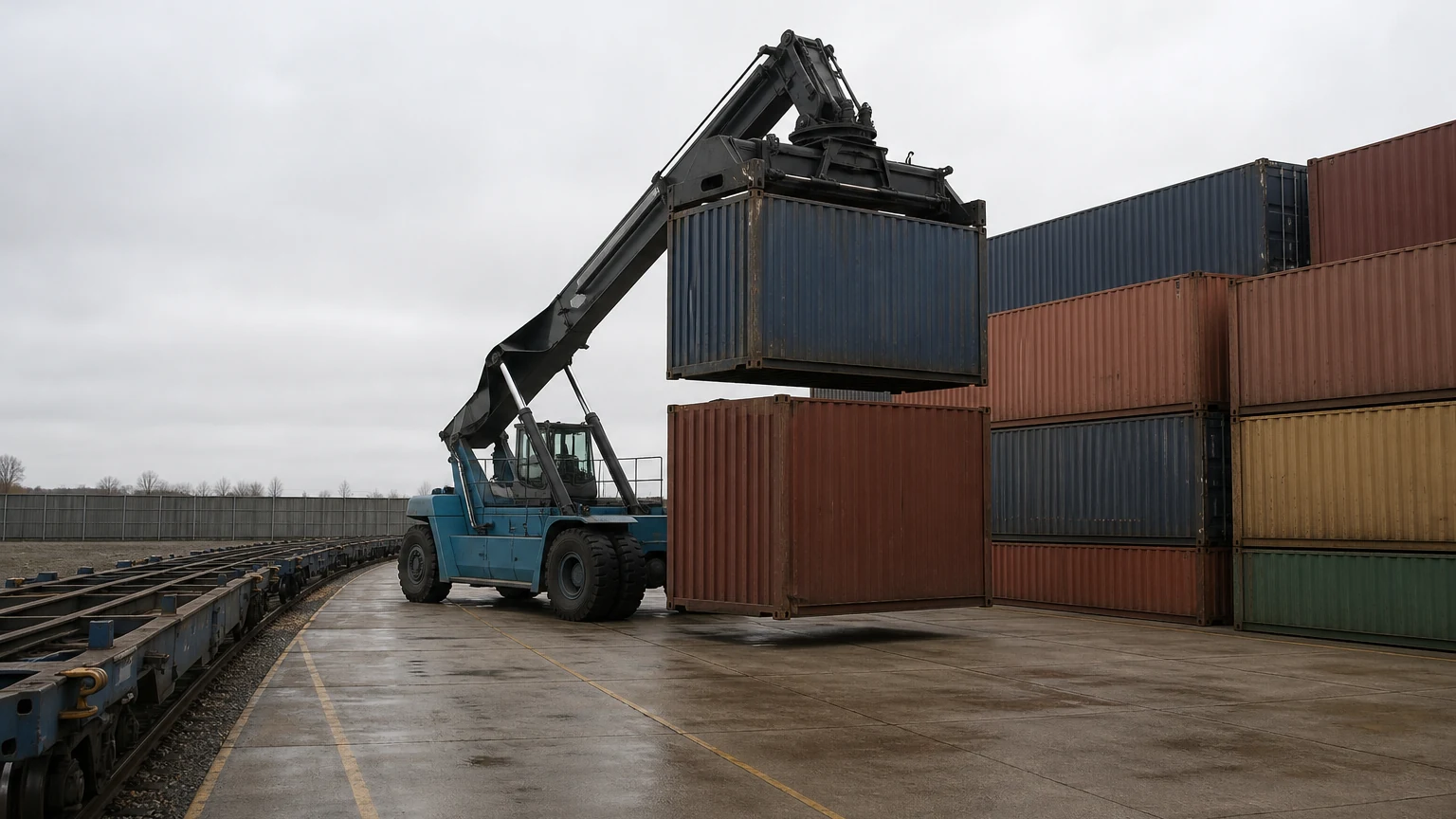
물품이 지정 장소에서 하역 준비가 된 상태로 구매자가 처분할 수 있게 놓이는 시점에 위험이 이전됩니다. 그 전까지 손실 위험은 판매자가 부담합니다. 도로 운송 중 손상, 터미널에서의 손상, 지연된 선박으로 인해 발생한 변질, 철도 야드에서의 도난 등이 이에 해당합니다. 판매자는 물품이 자신의 사업장을 떠날 때나 첫 번째 운송인에게 적재될 때 위험을 이전하지 않습니다. 이는 FCA에 해당하며, FCA에서 DAP로 조건을 변경하면 운송 과정에 대한 통제권을 얻는 대신 상당한 위험이 판매자에게 이전됩니다.
이에 따라 DAP에서 판매자의 의무는 상당히 무겁습니다. 판매자는 계약에 부합하는 물품과 송장을 제공하고, 운송에 적합하게 포장하며, 다음을 수행하고 그 비용을 부담해야 합니다. 수출통관, 지정 장소까지의 운송계약을 체결하고 물품을 그곳까지 운송하는 데 드는 모든 비용, 즉 운임, 터미널 취급료, 환적 비용 및 지정 장소 내 인도 지점까지 운송하는 데 드는 비용을 부담해야 합니다. 또한 판매자는 구매자가 물품을 인수하는 데 필요한 모든 통지를 제공해야 합니다.
놓치기 쉬운 한 가지 사항이 있습니다. DAP에서는 판매자에게 물품을 보험에 가입시킬 의무가 없습니다. DAP와 DDP 모두 판매자에게 적하보험 가입을 요구하지 않지만, 판매자는 전체 운송 과정의 위험을 부담합니다. 특정 수준의 보험 가입이 의무인 CIP에 익숙한 판매자가 보험을 가입하지 않은 채 DAP로 전환하면, 아무런 보장 없이 운송 위험을 떠안게 됩니다. 판매자가 보장을 원한다면 직접 보험을 마련하고 다른 비용과 마찬가지로 견적 금액에 반영해야 합니다.
DAP에서 구매자가 부담하는 사항
구매자의 의무는 인도 지점에서 시작되며 그 이후의 모든 사항을 포함합니다. 구매자는 지정 장소에서 물품을 인수하고 도착 운송수단에서 하역하며, 가장 중요한 부분으로서 다음을 처리해야 합니다. 수입통관, 여기에는 목적지 국가에서 요구하는 수입허가, 보증 또는 등록 절차가 포함되며, 다음의 모든 비용을 부담해야 합니다. 관세, 세금 및 수입 관련 비용.
이러한 배분은 의도된 것입니다. 수입 절차는 일반적으로 목적지 국가에 설립된 당사자가 수행하며, 해외 판매자는 보통 이를 효율적으로 처리할 수 없거나 아예 처리할 권한이 없을 수 있습니다. 따라서 DAP에서는 판매자가 물리적인 장거리 운송을 부담하고 구매자가 규제 관련 절차를 부담합니다. 양 당사자의 경계는 물품이 구매자의 처분에 맡겨지는 지점이며, 모든 비용 문제는 그 지점을 기준으로 정해집니다.
구매자는 그 시점부터 위험도 부담하며, 여기에는 하역 위험이 포함됩니다. DAP에서는 구매자가 하역하므로 하역 중 발생한 손상은 판매자가 아니라 구매자의 손실입니다. 이는 구매자의 자체 취급 장비로 기계가 떨어져 판매자 측에 비용을 청구하려는 상황에서 결코 사소한 문제가 아닙니다.
DAP는 DDP가 아니다: 통관과 관세를 부담하는 주체
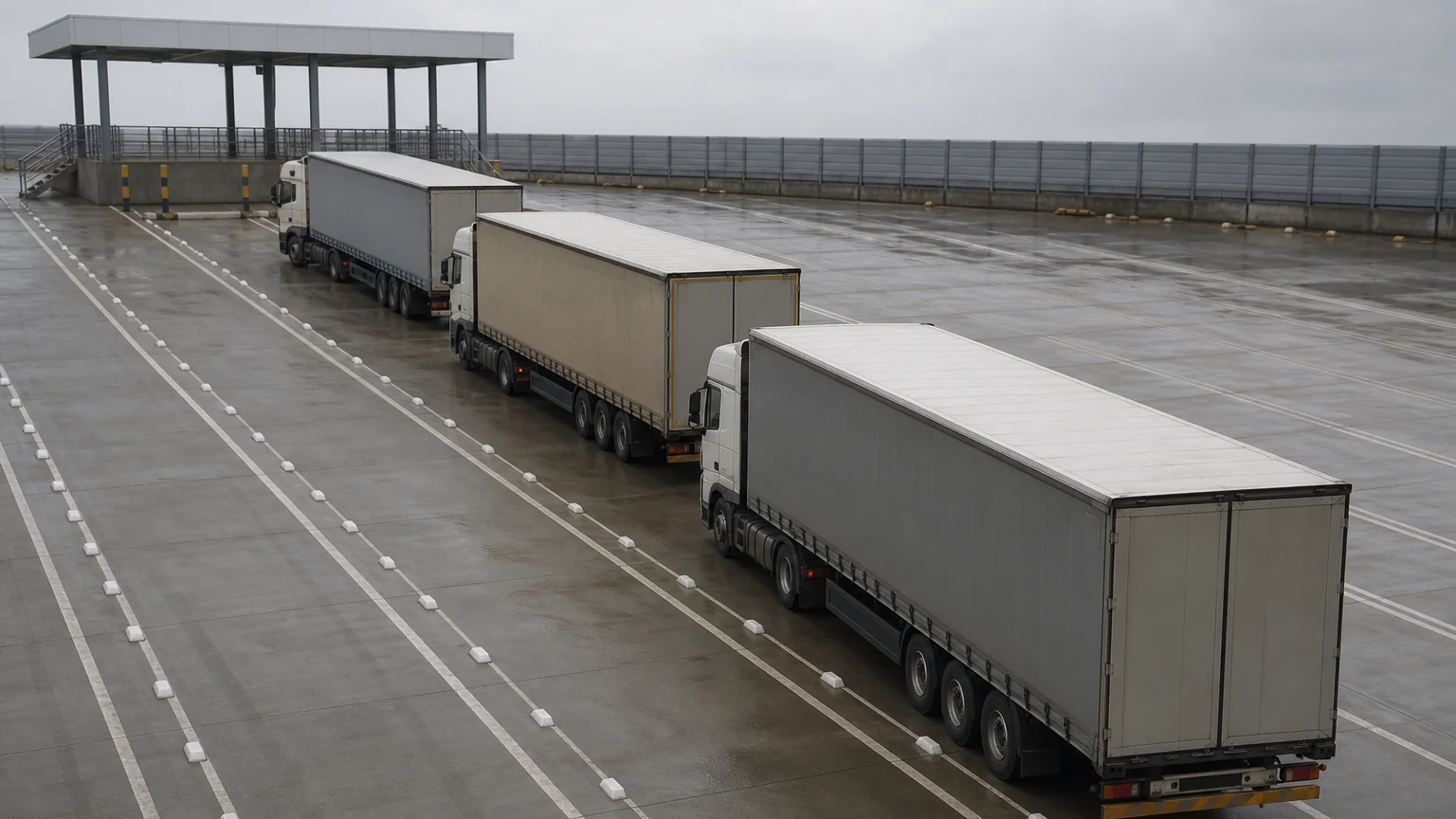
DAP와 DDP는 두 가지 도착지 인도 조건이며, 두 조건의 차이는 전적으로 수입 측면에 있습니다. DDP, 관세지급인도(Delivered Duty Paid)에서는 판매자가 DAP에서 요구되는 모든 사항을 수행한 다음 수입통관까지 진행하고, 지정 장소에서 인도하기 전에 관세, 세금 및 수입 관련 비용을 납부합니다. DAP, 판매자는 한 단계 앞에서 멈추고 구매자가 그 업무를 수행합니다.
상업적 효과는 표현이 시사하는 것보다 큽니다. 거래에서 가장 변동성이 큰 비용이 이전되기 때문입니다. DDP로 견적을 제시하는 판매자는 견적 전에 목적지의 관세 적용을 파악해야 하며, 이를 위해 품목분류와 원산지를 알고 수개월 후에도 그 판단에 의존할 수 있어야 합니다. DAP로 견적을 제시하는 판매자에게는 이러한 사항이 필요하지 않습니다. 관세는 구매자의 문제이고, 세관 당국과 직접 상대하는 당사자도 구매자입니다.
국제적으로 판매하는 대부분의 수출업체에게 DAP는 더 안전한 도착지 인도 조건이며, 판매자가 실제로 목적지 국가에서 업무를 수행할 역량을 갖추지 않은 한 DDP는 피해야 할 조건입니다. 그 이유는 역량이 아니라 통제권입니다. 관세는 판매자가 통제할 수 없는 사실에 좌우되는 경우가 많습니다. 품목분류가 재결정될 수 있고 원산지가 이의를 제기받을 수 있으며 특혜세율이 거부될 수도 있습니다. 유리한 세율을 전제로 이미 가격을 받은 DDP 판매자는 그 차액을 부담하게 됩니다. 당사의 국가의 원산지를 결정하는 요소 가이드에서는 그러한 가정이 얼마나 빠르게 뒤집힐 수 있는지를 설명하며, 다음에 대한 가이드에서는 HTS 코드의 의미 관세가 의존하는 품목분류를 다룹니다.
DDU와 DAF는 어떻게 되었는가
기존 계약에는 여전히 DDU가 명시되어 있고 일부에는 DAF가 명시되어 있지만, 둘 다 현행 규칙의 조건이 아닙니다. DDU(Delivered Duty Unpaid, 관세미지급인도)는 2010년 규칙 개정 시 DAF, DES 및 DEQ와 함께 폐지되었습니다. 관세를 납부하지 않고 인도하는 DDU의 기능은 이제 DAP가 수행합니다. 실무적으로 기존 DDU 조항과 DAP 조항은 동일한 의무를 배분합니다.
기존 조건을 사용할 때의 실질적인 문제는 집행 불가능하다는 것이 아니라 현행 문구에 비추어 정의되어 있지 않다는 점입니다. 어떤 규칙 버전을 의미하는지 밝히지 않은 채 DDU라고만 명시한 계약은 당사자들이 어떤 문안을 의도했는지 독자가 추론해야 하며, 그 추론은 양 당사자의 예상과 일치하지 않을 수 있습니다. 버전을 명시하지 않은 모든 Incoterms 조항에도 같은 위험이 있습니다. “DAP [named place] — Incoterms 2020”이라고 작성하면 비용 없이 이러한 의문을 없앨 수 있으며, 인접한 규칙에 대한 당사의 가이드도 동일한 원칙을 적용합니다. FCA 그리고 CIF 인접한 규칙에도 동일한 원칙을 적용합니다.
| DAP | DDP | DPU | DDU(폐지됨) | |
|---|---|---|---|---|
| 현행 규칙에서 | 네 | 네 | 네 | 아니요 — 2010년에 폐지됨 |
| 목적지까지의 주운송 | 매도인 | 매도인 | 매도인 | 매도인 |
| 수출 통관 | 매도인 | 매도인 | 매도인 | 매도인 |
| 수입통관 | 매수인 | 매도인 | 매수인 | 매수인 |
| 관세, 세금 및 수입 관련 비용 | 매수인 | 매도인 | 매수인 | 매수인 |
| 목적지에서 하역하는 주체 | 매수인 | 매수인 | 매도인 | 매수인 |
| 판매자의 보험 가입 의무 | 없음 | 없음 | 없음 | 없음 |
이 표의 가치는 거의 동일해 보이는 열에 있습니다. DAP와 DDU는 둘 중 하나가 현행 문구에 포함된다는 점에서만 다르고, DAP와 DDP는 정확히 두 행에서 다르며 그 두 행이 비용을 좌우합니다. DPU는 하역 주체만 다를 뿐 나머지 모든 상업적 항목에서는 DAP와 같으며, 이것이 다음으로 살펴볼 내용입니다.
DAP 또는 DPU: 누가 하역하는가
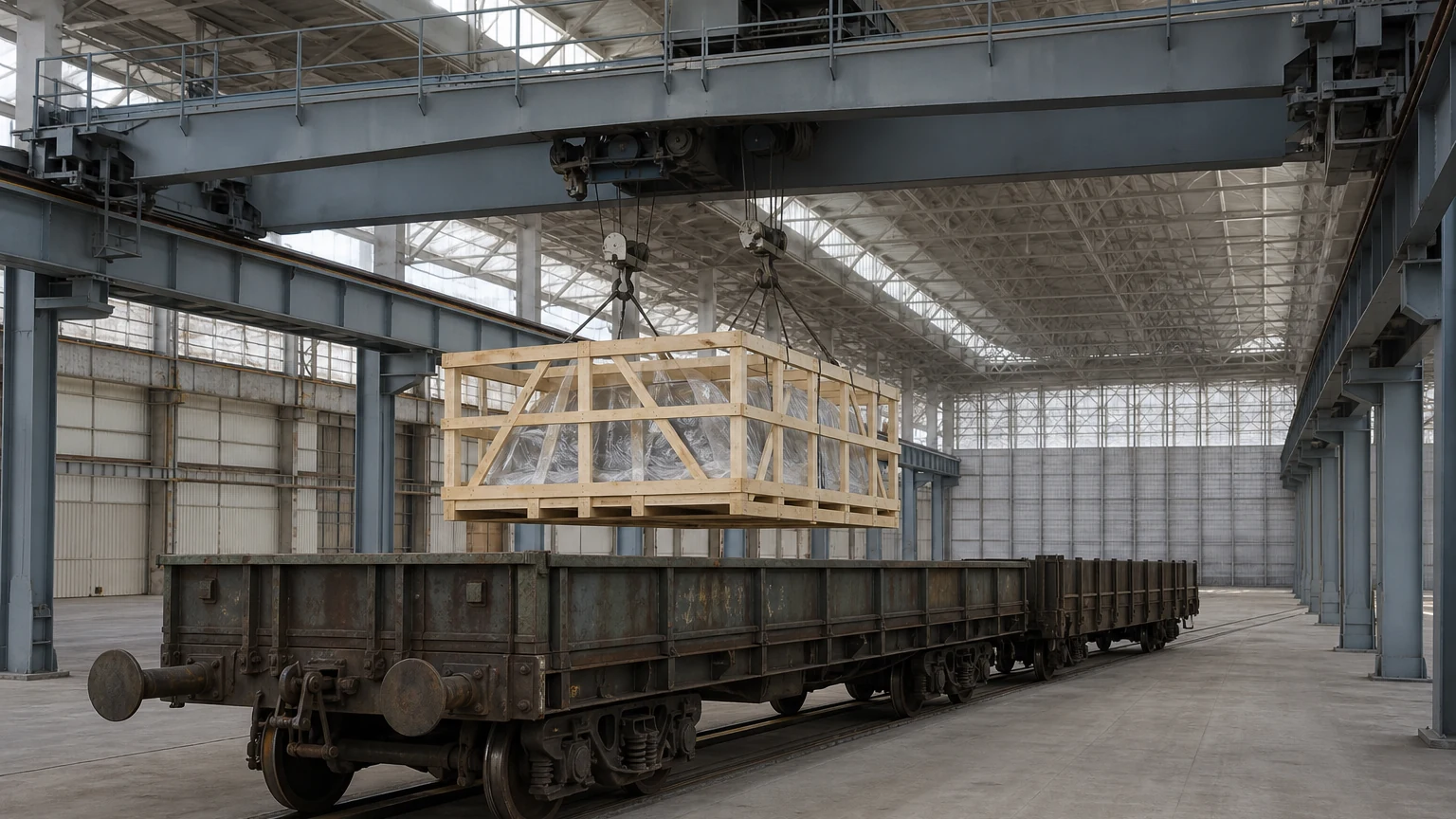
Delivered At Place and Delivered At Place Unloaded are near neighbours, and the distinction is a single act. Under DAP the seller delivers with the goods ready for unloading on the arriving means of transport, and the buyer takes them off. Under DPU the seller delivers only once the goods have been unloaded at the named place and are in the buyer’s control.
DPU is the renamed successor to DAT, Delivered At Terminal, which was introduced in 2010 alongside DAP and renamed in the 2020 revision to make clear that the place need not be a terminal at all. The rename solved a real problem: sellers had been reading DAT as requiring delivery to a port or a terminal when the rule was never restricted to one.
The choice between them is a question of who has the equipment and the willingness to unload. A seller delivering to a buyer’s own dock, where the buyer has a forklift and a labour team standing by, is well served by DAP. A seller delivering to a site where unloading depends on plant that only the seller can arrange is better served by DPU, because then the seller is responsible for the whole operation rather than for standing by while someone else performs it badly. Where DAP is used and the seller agrees to unload anyway, the contract needs to say so explicitly, because the default under DAP is that the buyer does.
DAP가 적합한 경우와 그렇지 않은 경우
DAP suits a transaction where the seller can reach the destination efficiently and the buyer is established at the destination. That combination describes most containerised and multimodal trade into a buyer’s own premises: the seller controls the freight, the buyer clears its own import, and neither party is asked to do the other’s domestic work. It is also the natural term for a seller with a distribution arrangement, where a single delivered price to a named warehouse is the commercial expectation. Where the landed figure is what the negotiation turns on, the components DAP puts on the seller and those it leaves with the buyer are the ones that make up the total, which is the point our guide to 착지 원가에 포함되는 항목 설명합니다.
DAP fits less well in three situations. Where the seller cannot arrange reliable carriage to the named place, promising delivery there is a promise it cannot keep. Where the destination’s import regime is one the buyer cannot easily operate — an unusual licence requirement, or a market where the buyer has no presence — then a DAP buyer who cannot clear its own goods leaves the shipment stuck in a customs area while the seller, having already delivered on paper, waits to be paid. And where the buyer’s credit is the real issue, no delivered term helps: DAP changes where risk and cost sit but does nothing about whether the buyer pays at all, which is a question for the payment method in the contract.
DAP가 잘못 적용되는 경우
• A vague named place. “DAP Germany” is not a delivery point. The place has to be a specific address or facility, because it fixes the handover, the unloading obligation and every cost on either side of it.
• Not naming the rule version. An Incoterms clause without a version is an invitation to argue about which drafting applies. Write “DAP [place] — Incoterms 2020”.
• Assuming DAP includes duty. It does not. The duty is the buyer’s, and a seller that quoted as though it were included has simply sold at a discount.
• Guessing at the unloading obligation. Under DAP the buyer unloads. Where the seller ends up paying for discharge because the contract was silent and the site had no equipment, that cost came out of the margin.
• Buying no insurance. DAP imposes no insurance obligation but leaves the transit risk with the seller. The cover is the seller’s decision and the seller’s cost, and it belongs in the quote.
• Quoting DDP from a DAP analysis. The step from DAP to DDP looks like a small increment and is not. It brings import clearance, duty and tax exposure into the seller’s price, on assumptions about classification and origin that the seller may not control.
• Using a withdrawn term. DDU and DAF are not in the current rules. A legacy term leaves both parties guessing which version of the obligations applies.
다음에 할 일
Write the place precisely before writing the price. A DAP quote is only meaningful once the delivery point is fixed at an address or a named facility, because the point is what determines the freight the seller is buying, the risk the seller is carrying and the unloading the buyer owes. Then confirm which costs sit on which side against the rule rather than against habit: main carriage and export clearance with the seller, import clearance, duty and unloading with the buyer.
Then handle the two silent items. Insurance is not required by DAP and is entirely the seller’s judgement, so decide on cover and price it. And the version matters, so name it. Where the delivery term is still being chosen, the 인코텀즈® 2020 선택 도구 maps each rule to its obligations, and where the seller has been asked for a delivered price, the 도착 비용 계산기 와 관세 및 수입세 계산기 show what the buyer’s side of the DAP equation actually costs — which is exactly the figure to use when the buyer asks why DDP would be more expensive. Where the term is being settled as part of a wider drafting exercise, the payment, delivery and security clauses need to be read as a set rather than one at a time, see TradeShield 계약 위험 검토.
Finally, match the rule to the physical movement rather than to the label. A seller who can reach the buyer’s dock is a natural DAP seller. A seller shipping containers on a route it does not control is not, and no amount of careful wording will make it one. Where the journey is not the seller’s to run, the honest answer is a term that ends earlier — our guide to what FOB means covers the sea rule that stops at the ship’s rail, and the delivered-versus-shipped choice is the first decision rather than the last.