
Table des matières
DAP stands for Delivered At Place, and it is the Incoterms rule that puts the seller in charge of getting the goods all the way to a named destination without making the seller responsible for clearing them into the country. The seller delivers when the goods are placed at the buyer’s disposal on the arriving means of transport, ready for unloading, at the named place. Risk passes at that moment. The buyer then clears the goods for import, pays the duty and the taxes, and unloads.
That split is the whole point of the rule, and it is where most of the money sits. DAP hands the seller the long leg — the main carriage, the transit risk and every cost up to the destination — while leaving the import formalities and the duty with the buyer, who is better placed to deal with a customs authority in its own country. It sits between CIF, which stops at the port of shipment’s vessel, and DDP, which pushes the seller through import clearance and duty as well.
This guide covers what DAP means under the current rules, where risk passes and what each side owes, why DAP is not DDP, what happened to the older DDU and DAF terms, how DAP differs from DPU on unloading, when the rule fits a transaction, and the mistakes that turn a delivered quote into a loss.
What DAP means under the rules
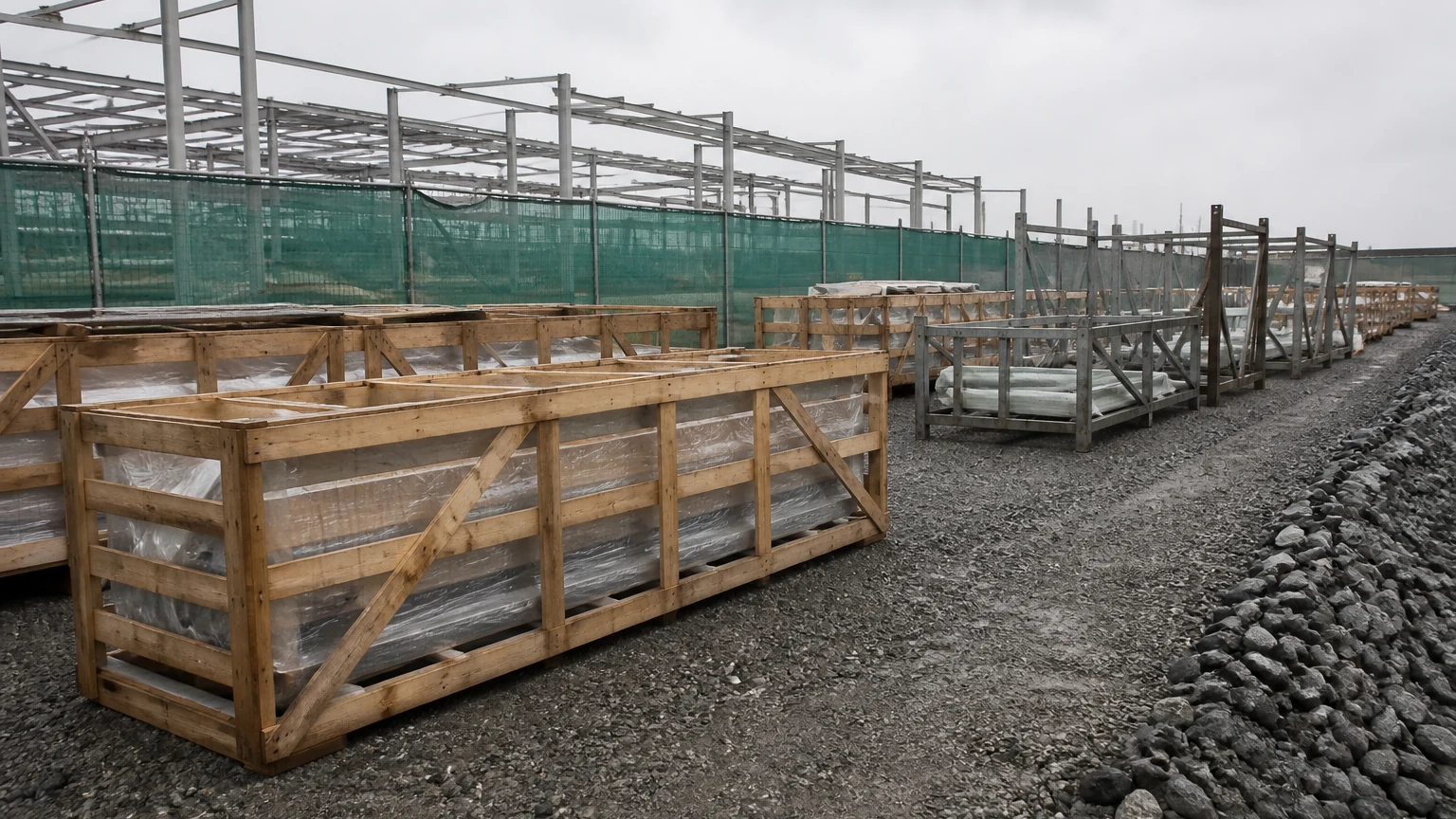
DAP is a delivered term, which means the seller’s obligation is measured by where the goods end up rather than by where they are handed to a carrier. The seller contracts for carriage to the named place of destination and delivers when the goods are placed at the buyer’s disposal there, on the arriving vehicle or vessel, ready to be unloaded.
Two features define the rule. It works for any transport mode — road, rail, sea, air or a combination — which is why it is the delivered term of choice for multimodal and containerised shipments where the physical journey changes carrier several times. And the named place is decisive: the rule does not deliver to a city or a region, it delivers to a point the contract has to identify precisely.
That second feature is where DAP is most often written badly. “DAP Chicago” and “DAP 1240 West Fulton Street, Chicago, dock four” are not the same contract. The first leaves the delivery point open, so neither side knows who pays the onward movement once the goods are in the metropolitan area, and it leaves the unloading obligation unsettled. The second fixes the handover at a specific dock, and with it every cost question that follows from the handover.
Where risk passes and what the seller owes
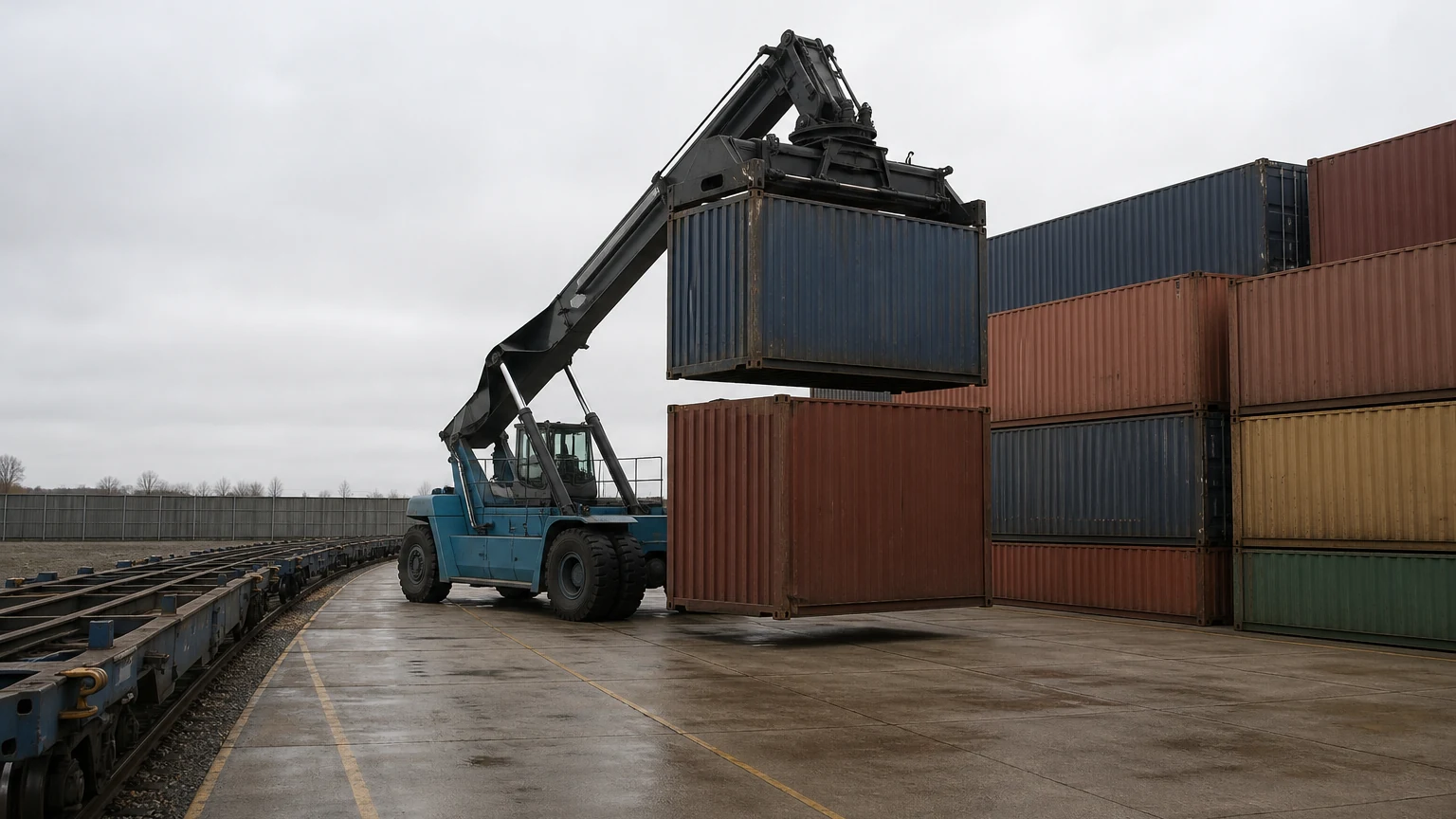
Risk passes when the goods are placed at the buyer’s disposal at the named place, ready for unloading. Until then the seller carries the loss: damage on the road, damage in a terminal, a vessel delay that turns into deterioration, a theft in a rail yard. The seller does not hand over risk when the goods leave its own premises or when they are loaded onto the first carrier — that is FCA, and moving from FCA to DAP moves a great deal of risk onto the seller in exchange for control of the journey.
The seller’s obligations under DAP are correspondingly heavy. The seller must provide conforming goods and an invoice, pack them appropriately for the journey, carry out and pay for export clearance, contract for carriage to the named place, and bear every cost of getting the goods there — freight, terminal handling, transhipment, and any cost of getting them to the delivery point inside the named place. The seller must also give the buyer whatever notice is needed to receive the goods.
One point is easy to miss: DAP puts no obligation on the seller to insure the goods. Neither DAP nor DDP requires the seller to arrange cargo insurance, even though the seller carries the risk for the whole journey. A seller who has grown used to CIP, where insurance is mandatory to a specified level, and who switches to DAP without buying cover, has taken on transit risk with nothing behind it. Where the seller wants cover, it has to arrange it and price it into the quoted figure like any other cost.
What the buyer owes under DAP
The buyer’s obligations begin at the delivery point and cover everything that comes after it. The buyer takes delivery at the named place, unloads the arriving vehicle, and — the part that matters most — handles import clearance, including any import licence, security or registration the destination requires, and pays all duty, taxes and import charges.
That allocation is deliberate. Import formalities are ordinarily discharged by a party established in the destination country, and a seller abroad cannot usually do the job efficiently or even be permitted to do it. DAP therefore leaves the seller carrying the long physical journey and the buyer carrying the regulatory one. The boundary between them is the place where the goods are put at the buyer’s disposal, and every cost question follows from that point.
The buyer also bears the risk from that moment, which includes the risk of unloading. Since the buyer unloads under DAP, damage during discharge is the buyer’s loss, not the seller’s — a detail that stops being academic when a machine is dropped by the buyer’s own handling equipment and the seller’s file is asked to pay for it.
DAP is not DDP: who clears and who pays the duty
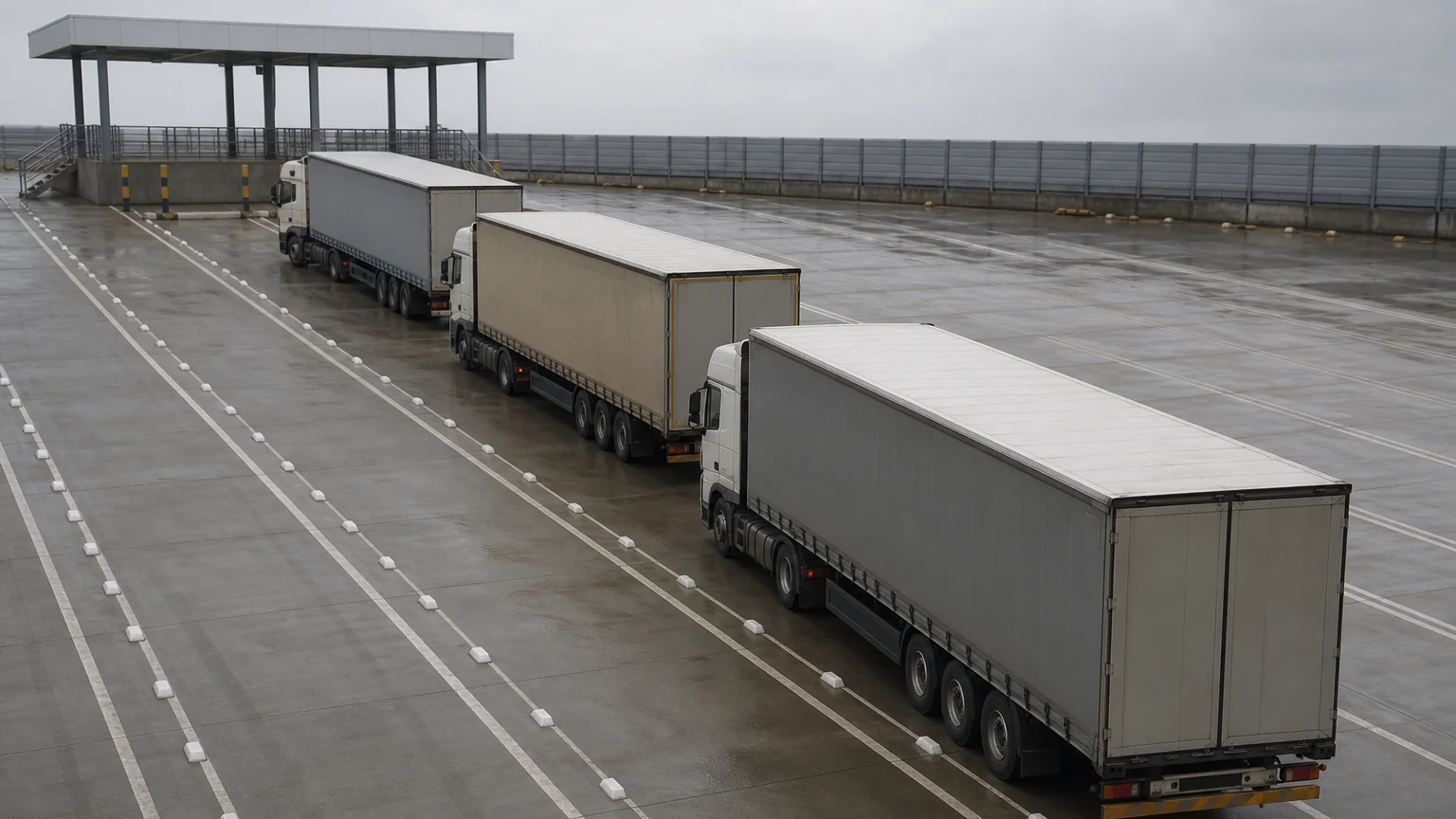
DAP and DDP are the two delivered terms, and the difference between them is entirely on the import side. Under DDP, Delivered Duty Paid, the seller does everything DAP requires and then clears the goods for import as well, paying the duty, the taxes and the import charges before delivering at the named place. Under DAP, the seller stops one step short and the buyer does that work.
The commercial effect is larger than the words suggest, because it moves the most volatile cost in the transaction. A seller quoting DDP has to know the destination’s tariff treatment before quoting, which means knowing the classification and the origin and being able to rely on them months later. A seller quoting DAP does not need any of that — the tariff is the buyer’s problem, and the buyer is the party that lives with the customs authority.
For most exporters selling internationally, DAP is the safer delivered term and DDP is the one to avoid unless the seller genuinely has the destination capability. The reason is not competence; it is control. Duty depends on facts the seller often does not set — the classification can be re-determined, the origin can be challenged, a preferential rate can be refused — and a DDP seller that has already collected a price on the assumption of a favourable rate absorbs the difference. Our guide to ce qui détermine un pays d’origine covers how quickly that assumption can be overturned, and the guide to la signification du code HTS covers the classification the tariff depends on.
What happened to DDU and DAF
Older contracts still say DDU, and some say DAF, and neither is a term in the current rules. DDU — Delivered Duty Unpaid — was withdrawn when the rules were revised in 2010, together with DAF, DES and DEQ. The function DDU performed, delivering without paying duty, is now the function of DAP. For practical purposes an old DDU clause and a DAP clause allocate the same obligations.
The practical problem with a legacy term is not that it is unenforceable but that it is undefined against the current text. A contract that says DDU and says nothing about which version of the rules it means leaves a reader to infer which drafting the parties had in mind, and the inference may not match what either of them assumed. The same risk attaches to every Incoterms clause that does not name a version. Writing “DAP [named place] — Incoterms 2020” costs nothing and removes the question, and our guides to FCA et CIF apply the same discipline to the neighbouring rules.
| DAP | DDP | DPU | DDU (withdrawn) | |
|---|---|---|---|---|
| In the current rules | Oui | Oui | Oui | No — withdrawn in 2010 |
| Main carriage to destination | Vendeur | Vendeur | Vendeur | Vendeur |
| Dédouanement à l’exportation | Vendeur | Vendeur | Vendeur | Vendeur |
| Import clearance | Acheteur | Vendeur | Acheteur | Acheteur |
| Duty, taxes and import charges | Acheteur | Vendeur | Acheteur | Acheteur |
| Who unloads at destination | Acheteur | Acheteur | Vendeur | Acheteur |
| Insurance obligation on the seller | Aucun | Aucun | Aucun | Aucun |
The table’s value is in the columns that look almost identical. DAP and DDU differ only in the fact that one is in the current text; DAP and DDP differ in exactly two rows, and those two rows are the ones that carry the money. DPU looks like DAP on every commercial row and differs only in who unloads — which is the next point.
DAP or DPU: who unloads
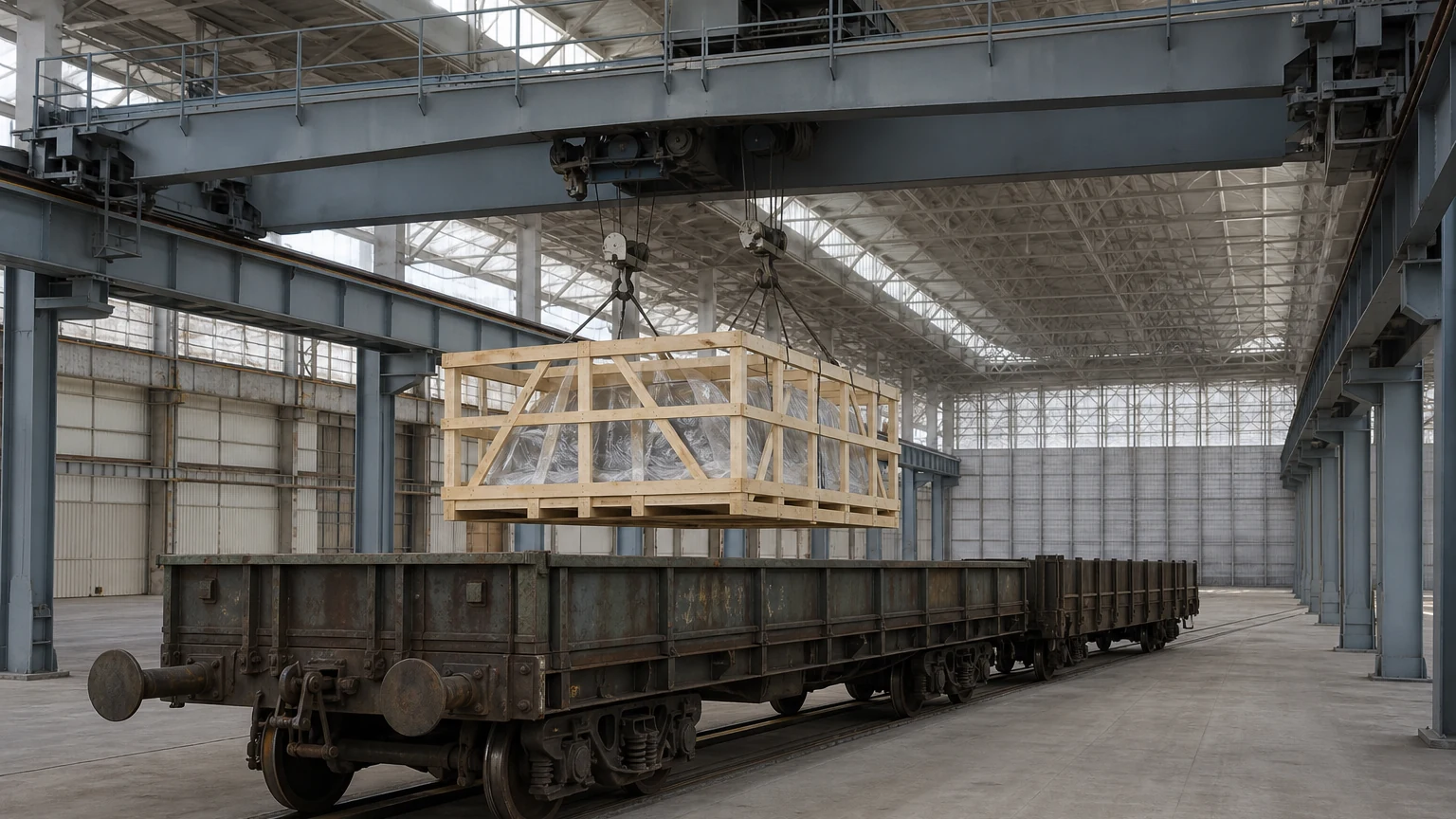
Delivered At Place and Delivered At Place Unloaded are near neighbours, and the distinction is a single act. Under DAP the seller delivers with the goods ready for unloading on the arriving means of transport, and the buyer takes them off. Under DPU the seller delivers only once the goods have been unloaded at the named place and are in the buyer’s control.
DPU is the renamed successor to DAT, Delivered At Terminal, which was introduced in 2010 alongside DAP and renamed in the 2020 revision to make clear that the place need not be a terminal at all. The rename solved a real problem: sellers had been reading DAT as requiring delivery to a port or a terminal when the rule was never restricted to one.
The choice between them is a question of who has the equipment and the willingness to unload. A seller delivering to a buyer’s own dock, where the buyer has a forklift and a labour team standing by, is well served by DAP. A seller delivering to a site where unloading depends on plant that only the seller can arrange is better served by DPU, because then the seller is responsible for the whole operation rather than for standing by while someone else performs it badly. Where DAP is used and the seller agrees to unload anyway, the contract needs to say so explicitly, because the default under DAP is that the buyer does.
When DAP fits, and when it does not
DAP suits a transaction where the seller can reach the destination efficiently and the buyer is established at the destination. That combination describes most containerised and multimodal trade into a buyer’s own premises: the seller controls the freight, the buyer clears its own import, and neither party is asked to do the other’s domestic work. It is also the natural term for a seller with a distribution arrangement, where a single delivered price to a named warehouse is the commercial expectation. Where the landed figure is what the negotiation turns on, the components DAP puts on the seller and those it leaves with the buyer are the ones that make up the total, which is the point our guide to ce que comprend le coût rendu .
DAP fits less well in three situations. Where the seller cannot arrange reliable carriage to the named place, promising delivery there is a promise it cannot keep. Where the destination’s import regime is one the buyer cannot easily operate — an unusual licence requirement, or a market where the buyer has no presence — then a DAP buyer who cannot clear its own goods leaves the shipment stuck in a customs area while the seller, having already delivered on paper, waits to be paid. And where the buyer’s credit is the real issue, no delivered term helps: DAP changes where risk and cost sit but does nothing about whether the buyer pays at all, which is a question for the payment method in the contract.
Where DAP goes wrong
• A vague named place. “DAP Germany” is not a delivery point. The place has to be a specific address or facility, because it fixes the handover, the unloading obligation and every cost on either side of it.
• Not naming the rule version. An Incoterms clause without a version is an invitation to argue about which drafting applies. Write “DAP [place] — Incoterms 2020”.
• Assuming DAP includes duty. It does not. The duty is the buyer’s, and a seller that quoted as though it were included has simply sold at a discount.
• Guessing at the unloading obligation. Under DAP the buyer unloads. Where the seller ends up paying for discharge because the contract was silent and the site had no equipment, that cost came out of the margin.
• Buying no insurance. DAP imposes no insurance obligation but leaves the transit risk with the seller. The cover is the seller’s decision and the seller’s cost, and it belongs in the quote.
• Quoting DDP from a DAP analysis. The step from DAP to DDP looks like a small increment and is not. It brings import clearance, duty and tax exposure into the seller’s price, on assumptions about classification and origin that the seller may not control.
• Using a withdrawn term. DDU and DAF are not in the current rules. A legacy term leaves both parties guessing which version of the obligations applies.
Que faire ensuite
Write the place precisely before writing the price. A DAP quote is only meaningful once the delivery point is fixed at an address or a named facility, because the point is what determines the freight the seller is buying, the risk the seller is carrying and the unloading the buyer owes. Then confirm which costs sit on which side against the rule rather than against habit: main carriage and export clearance with the seller, import clearance, duty and unloading with the buyer.
Then handle the two silent items. Insurance is not required by DAP and is entirely the seller’s judgement, so decide on cover and price it. And the version matters, so name it. Where the delivery term is still being chosen, the Sélecteur Incoterms® 2020 maps each rule to its obligations, and where the seller has been asked for a delivered price, the Calculateur du coût au dédouanement et le Calculateur de droits de douane et taxes à l’importation show what the buyer’s side of the DAP equation actually costs — which is exactly the figure to use when the buyer asks why DDP would be more expensive. Where the term is being settled as part of a wider drafting exercise, the payment, delivery and security clauses need to be read as a set rather than one at a time, see TradeShield – Analyse des risques contractuels.
Finally, match the rule to the physical movement rather than to the label. A seller who can reach the buyer’s dock is a natural DAP seller. A seller shipping containers on a route it does not control is not, and no amount of careful wording will make it one. Where the journey is not the seller’s to run, the honest answer is a term that ends earlier — our guide to what FOB means covers the sea rule that stops at the ship’s rail, and the delivered-versus-shipped choice is the first decision rather than the last.