
目次
関税還付とは、輸入品、または輸入品から製造された物品が後に輸出された場合に、それらの輸入品に対して支払った関税を還付する制度です。輸入者は、商品が国内に入る際に関税を支払います。その商品が再び国外に出る場合 — 海外で再販売された場合、輸出される製品の製造に使用された場合、または契約に適合しなかったため返送された場合 — 輸入時に支払った関税は、ほぼ全額を上限として回収できます。これは免税でも、国境での課税額の減額でもありません。事後に返金を請求する制度であり、請求するか、請求せずに失うかは輸入者次第です。.
この制度を理解する価値があるのは、還付を受けられる多くの企業が実際には請求していないからです。関税還付を受けるには、輸入品が後に輸出されたことに気づき、その2つの事象を結び付ける記録を保存し、輸入日から起算される法定期間内に申請する必要があります。同じ商品を日常的に輸出入する企業や、部品を輸入して完成品を輸出する企業は、当然の請求者となります — 同時に、その関連性が互いに連携していない別々のシステムに埋もれている可能性が最も高い企業でもあります。.
このガイドでは、関税還付とは何か、主な3つの種類とそれぞれの要件、すべての請求を左右する2つの条件、輸入から還付までの手続きの流れ、記録が証明すべきこと、還付対象となる関税の多くが請求されない理由、そして請求で問題が起きる箇所について説明します。.
関税還付とは何か、何ではないのか
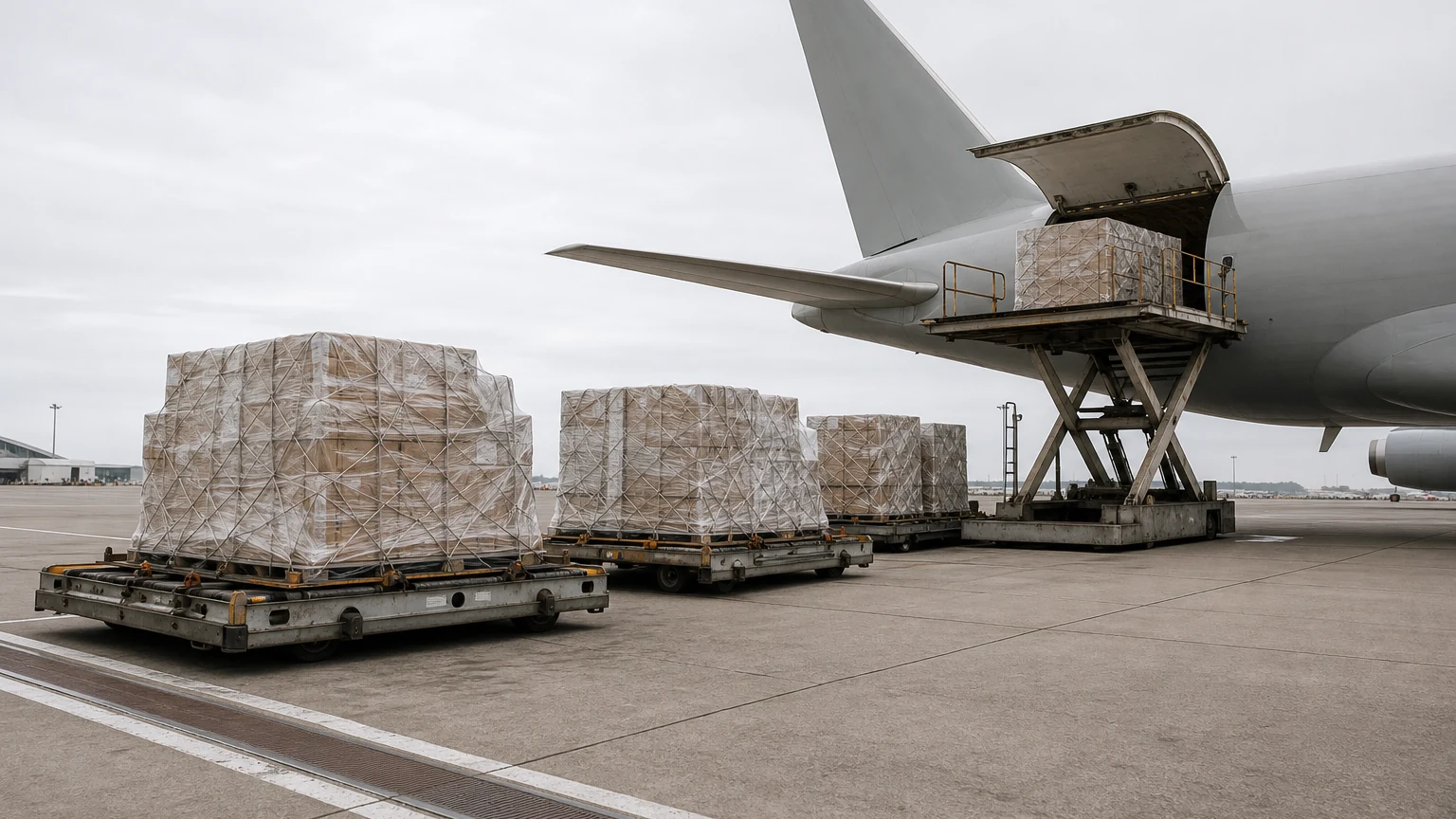
関税還付とは、輸入後に輸出された輸入貨物について支払った関税、税金および一定の手数料を還付する制度です。支払った国の税関当局が管理し、輸入者(輸入申告名義人)またはその輸入者に代わって行動する当事者が請求します。.
自由貿易協定(FTA)の優遇措置と同じものではありません。優遇措置は、商品が協定締約国を原産国とするため、輸入時点で課される関税を引き下げます。一方、関税還付は、商品が国内に留まらなかったため、適正に課された関税を払い戻すものです。この2つは比較してどちらかを選ぶ代替策ではありません。同じ商品の流通過程の異なる段階で適用される場合があり、優遇措置を利用できたかどうかにかかわらず、請求できるか確認する価値があります。.
また、自動的に適用されるものでもありません。輸入申告の中に還付を留保する仕組みはなく、輸出申告を行っても還付が開始されるわけではありません。関税は支払われ、商品は国外に出ますが、誰かが証拠をそろえて申請しない限り、そのお金は戻りません。この事実だけでも、関税還付が国際貿易において未請求額の大きな項目の一つである理由が分かります。.
請求の主な3つの種類
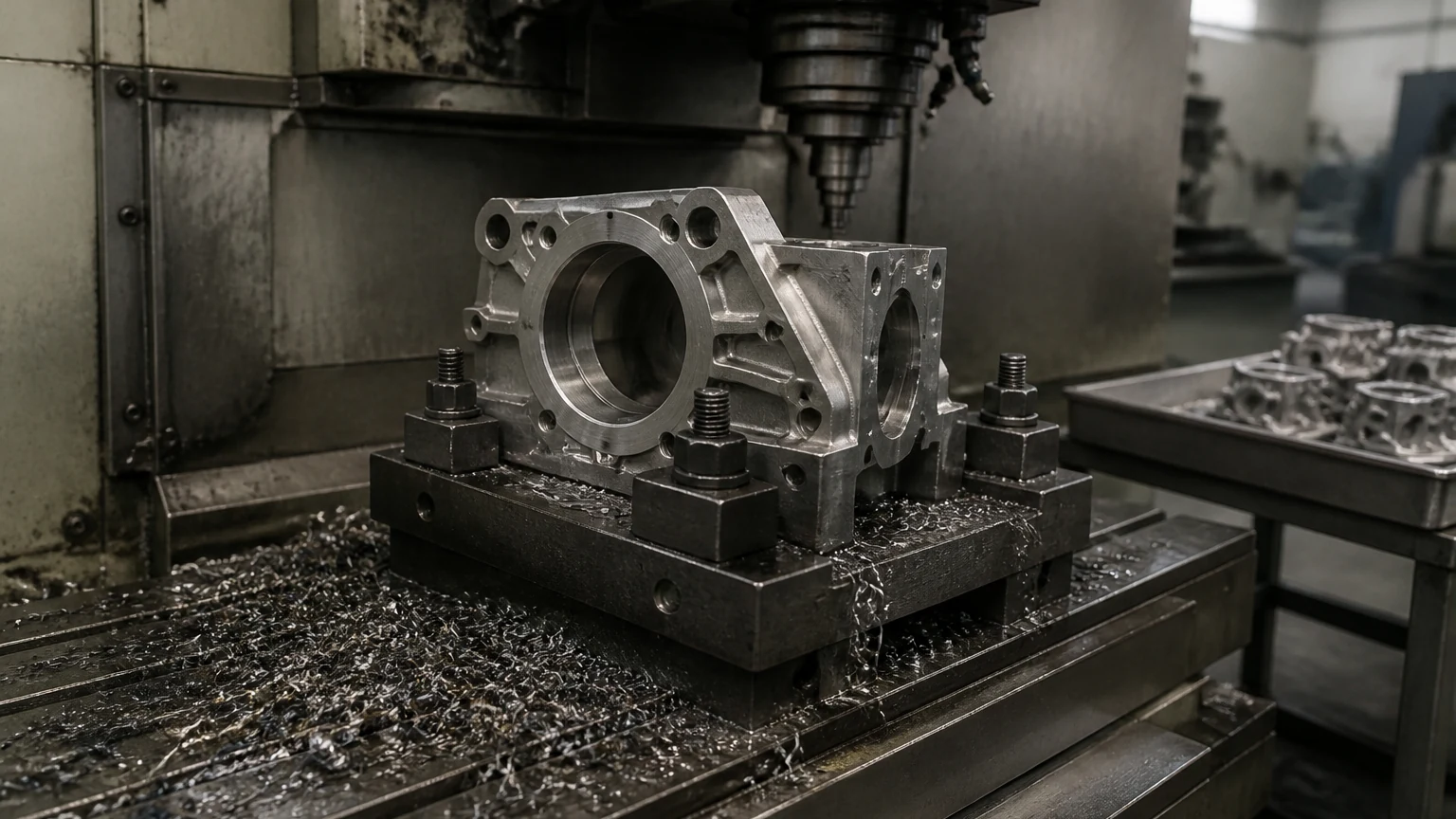
関税還付制度は、商品に何が起きたかを軸に構成されており、典型的な3つのカテゴリーで、実際のケースのほとんどをカバーできます。名称は法域によって多少異なりますが、基本的な考え方は共通しています。.
未使用貨物の還付. 仕向国で使用されることなく再輸出された輸入品は、輸入時と実質的に同じ状態で輸出されることを条件に、請求の対象となる場合があります。商品は消費も加工もされず、国内市場に販売されることもありませんでした。これは最も理解しやすく、運用が最も難しいカテゴリーです。輸出された商品が、輸入されたまさにその商品、または認められる代替品であることを示せなければならないためです。.
製造還付. 輸入品を使用して製造した物品が輸出された場合、その輸入品は請求の対象となることがあります。輸入された投入財が識別可能な形で国外に出るわけではないため、これは製造業者にとって関税還付を商業的に重要なものにするカテゴリーです。輸入と輸出の関連性は、商品そのものを追跡するのではなく、製造工程を通じて立証する必要があります。.
不適合貨物の還付. 輸入品が契約に適合しなかった、輸入者の同意なく出荷された、または輸入時点で欠陥があったために輸出または廃棄された場合、その輸入品は請求の対象となることがあります。このカテゴリーが設けられているのは、輸入者がそもそも望んでいなかった商品について、支払った関税を含めて原状回復できるようにするためです。到着すべきでなかった貨物に対して関税が支払われたのです。.
これら3つに重なる形で 代替品使用, があります。これは4つ目のカテゴリーではなく、その一部で利用できる仕組みです。輸出品を同一の輸入品と一致させる代わりに、関税分類と商業的代替可能性によって対応付けます。同じ関税細分に該当する輸入品と別の輸出品であれば、同じ物品が往復していなくても組み合わせることができます。代替品使用によって、関税還付は製造業者だけでなく、商社や販売業者にも利用可能になりますが、同時に適格性のルールは厳格になります。.
| 未使用貨物 | 製造 | 不適合貨物 | |
|---|---|---|---|
| 対象となるもの | 輸入品を未使用のまま再輸出 | 輸出される物品の製造に輸入品を使用 | 輸入されるべきでなかったため、輸入品を輸出または廃棄 |
| 典型的なケース | 輸入在庫を海外で再販売する販売業者 | 輸入した投入財から製造した完成品を輸出する製造業者 | 契約に適合しなかった貨物 |
| 商品について必要なこと | 実質的に同じ状態で輸出 | 製造品の一部として輸出 | 許可された期間内に輸出または廃棄 |
| 代替品使用の可否 | はい。関税分類と商業的代替可能性に基づく | はい。同じ基準に基づく | 同じ基準では不可 |
| 難しい点 | 国外に出た商品の同一性または代替可能性を証明すること | 工程を通じて投入品と産出品の関連性を証明すること | 根拠を証明し、期限を満たすこと |
| 典型的な請求者 | 貿易業者または販売業者 | メーカー | 不適合貨物の輸入者 |
すべての請求を左右する2つの条件
カテゴリーを取り除いて考えると、すべての関税還付請求は、2つの事実が真実であり、かつ証明可能であることにかかっています。すなわち、輸入時に関税が支払われたこと、そして商品またはその製品が国外に出たことです。.
The first condition is a matter of records. The import declaration establishes what was imported, its classification and the duty paid. Where the claim relies on substitution, the classification is not just background — it is the thing that ties the exported article to the imported one, which is why the tariff code has to be settled correctly at both ends rather than only at import. Our guide to HTSコードの意味 covers how the code is structured and why the level of the schedule matters.
The second condition is a matter of evidence. The export has to be documented, and the documentation has to survive scrutiny years later. A transport document showing the goods left, a commercial invoice showing the sale, and internal records showing which imported inventory fed which export all have to line up. The transport document is the anchor, which is why it is worth knowing exactly what each form does — our guide to the 船荷証券の定義 sets out the difference between the forms and what each proves.
The two conditions are also where the eligibility limits sit. Duty imposed under anti-dumping and countervailing duty orders is not eligible for drawback, and the treatment of duties imposed under trade-remedy or national-security measures varies and has to be checked for the specific measure. A claim built on the assumption that every duty paid is refundable will overstate the recovery, which is why the composition of the duty line is the first thing to establish.
輸入から還付まで、請求がどのように進むか
The sequence itself is straightforward, and the difficulty is in the record-keeping that runs alongside it.
At import, the entry records what arrived, its classification and the duty paid. Nothing about drawback happens here, but this is where the evidence starts, and an entry with a vague description or a classification that was never properly determined becomes a claim that cannot be supported later.
During the goods’ life in the country, the importer has to be able to say what became of them. For unused merchandise that means inventory control that keeps imported stock distinguishable from domestic stock. For manufacturing it means a bill of materials and production records that connect the imported input to the exported output. This is the stage companies fail at, because the systems that track imports and the systems that track production are usually different systems, owned by different departments, reconciled against different things.
On export, the movement has to be documented in a way that will still be defensible when the claim is examined. The export declaration, the transport document and the commercial records have to agree with each other and with the import side of the claim.
On filing, the claim is submitted to the customs authority with the supporting records, within the statutory period measured from importation. That period is set by law and has been amended more than once, so the current limit should be confirmed rather than assumed — but it is measured from import, not from export, which is the point that catches importers out. A shipment imported years ago can still be claimed if the export and the records support it, provided the clock has not run.
On review and payment, the authority examines the claim, may ask for further records, and pays the refund or offsets it against amounts the importer owes. A claim is not a credit note; it is an application that can be refused in whole or in part, and the parts most often refused are the ones where the link between import and export was assumed rather than documented.
記録が証明すべきこと
Drawback is a records exercise. The claim form is short; the file behind it is the whole substance of the matter.
The file has to show that duty was paid, how much, on what, and under which classification. It has to show that the exported goods are the imported goods, or their manufactured product, or an acceptable substitute — and where substitution is used, it has to show that the classification and commercial interchangeability tests are met. It has to show the quantity relationship, because the claim is measured in quantities of duty, not in shipments. And it has to do all of that in a way that can be followed by someone who was not involved, years after the fact.
The practical implication is that the decision to claim has to be taken before the records are created, not after. An importer that discovers drawback eligibility a year later has to reconstruct the linkage from whatever the systems happened to retain — and where the import and export sides were never joined, that reconstruction is often impossible. Getting the classification right at import, keeping imported inventory distinguishable, and capturing the export reference at the moment of shipment cost almost nothing at the time and are close to unattainable afterwards.
還付対象となる関税の多くが請求されない理由
The gap between duty that is legally recoverable and duty that is actually recovered is large, and the reasons are structural rather than legal.
The first is that nobody owns the process. Import duty is handled by the customs or logistics function; the export is handled by sales or shipping; and the link between them is nobody’s key performance indicator. The refund exists only if someone joins two departments’ data, and no one has the brief.
The second is that the amounts look small one shipment at a time. A single entry’s duty may not justify the effort. Drawback becomes interesting at the level of a programme — a year of imports matched against a year of exports — which is a different proposition from a single claim, and requires a different decision.
The third is that the rules are exacting enough to need help. Substitution testing, quantity matching and record retention are not tasks to improvise, and the cost of getting them wrong is a refused claim and an audit trail that shows the importer was claiming on assumptions. That cost is real but it is bounded, and it is usually much smaller than the duty being left on the table.
Where the arithmetic is being tested, the first question is how large the duty line actually is: the 関税・輸入税計算機 applies a rate to a value so the recoverable amount becomes visible, the 着荷コスト計算ツール shows how much of the delivered cost the duty represents, and our guide to 着地原価に含まれるもの sets out the other components a refund does not touch.
関税還付の請求で問題が起きる箇所
• Waiting until the goods have gone. The records that prove the link have to be created while the goods are moving. Reconstructing them later is the single most common reason a good claim fails.
• Treating every duty as refundable. Anti-dumping and countervailing duties are not eligible, and the treatment of other trade-remedy and security measures varies. The composition of the duty line decides the size of the real recovery.
• Losing the import-export link. Import records and export records kept by different departments almost never reconcile without deliberate design. If nothing joins them, the claim cannot be substantiated.
• Assuming substitution is automatic. Substitution depends on matching tariff classification and commercial interchangeability. A near-miss on either fails the test, and the classification has to be right at both ends.
• Misreading the clock. The period runs from importation, not exportation, and it has been amended. Importers who assume the clock starts when the goods leave lose claims they would otherwise have had.
• Claiming without the file. The claim is accepted on the strength of the records, not on the strength of the description in the claim. A file assembled afterwards will be missing exactly the pieces the examination asks for.
• Ignoring the export’s own paperwork. The transport document, the export declaration and the commercial invoice all have to support the same story. An inconsistency between them undermines the claim even where the underlying movement was genuine.
次にすべきこと
Start by measuring, not filing. Establish what duty was actually paid over a period, by classification and by amount, and then ask what proportion of those imports were exported in some form within the statutory period. That comparison tells you whether a drawback programme is worth building, and it uses records the business already has.
Then decide the operating model before the next shipment. Imported inventory has to stay distinguishable, the export side has to capture a reference back to the import, and the classification has to be settled properly at both ends. Those three decisions are what make a claim possible; everything after them is administration. Our guide to 原産国を決定する要素 covers the other determination that has to be right at import, and the 輸出書類チェックリスト is the fastest way to confirm the export side of the file is complete while the goods are moving rather than long afterwards. Where the movement involves third parties, the party that arranges it may be the only one positioned to capture the reference — see our guide to 貨物フォワーダーの業務内容 — and the 税関ポータル一覧 points to the authority that will examine the claim. Where the duty position is being built into a contract rather than a claim, the delivery and payment clauses are worth reading together with the customs analysis, see TradeShield契約リスクレビュー.
Duty drawback is unusual among trade costs in that it is a recoverable one. The customs authority is not going to find the claim for you, and the money does not expire politely — it simply stays unclaimed until the statutory period runs out. For any business that imports and exports in the same supply chain, that is worth an hour of arithmetic before it is worth a filing.