
Mục lục
- 1. What duty drawback is, and what it is not
- 2. The three main types of claim
- 3. The two conditions every claim turns on
- 4. How a claim runs from import to refund
- 5. What the records have to prove
- 6. Why so much eligible duty is never claimed
- 7. Where duty drawback claims go wrong
- 8. Việc cần làm tiếp theo
Duty drawback is a refund of the duty paid on imported goods when those goods, or articles made from them, are later exported. An importer pays duty when the goods enter the country. If the goods leave again — resold abroad, used to manufacture something that is exported, or sent back because they did not conform — the duty that was paid on the way in can be recovered, up to almost the whole amount. It is not an exemption and it is not an assessment reduced at the border. It is a claim for money back, made after the fact, and it is the importer’s to make or to lose.
The reason it is worth understanding is that a great many eligible companies never claim. Drawback requires someone to notice that an imported item was later exported, to preserve the records that link the two events, and to file within a statutory period measured from the date of importation. Companies that import and export the same goods routinely, or that import components and export finished articles, are the natural claimants — and the ones most likely to have the linkage buried in separate systems that never speak to each other.
This guide covers what duty drawback is, the three main types and what each requires, the two conditions that decide every claim, how the process runs from import to refund, what the records have to prove, why so much eligible duty goes unclaimed, and where claims go wrong.
What duty drawback is, and what it is not
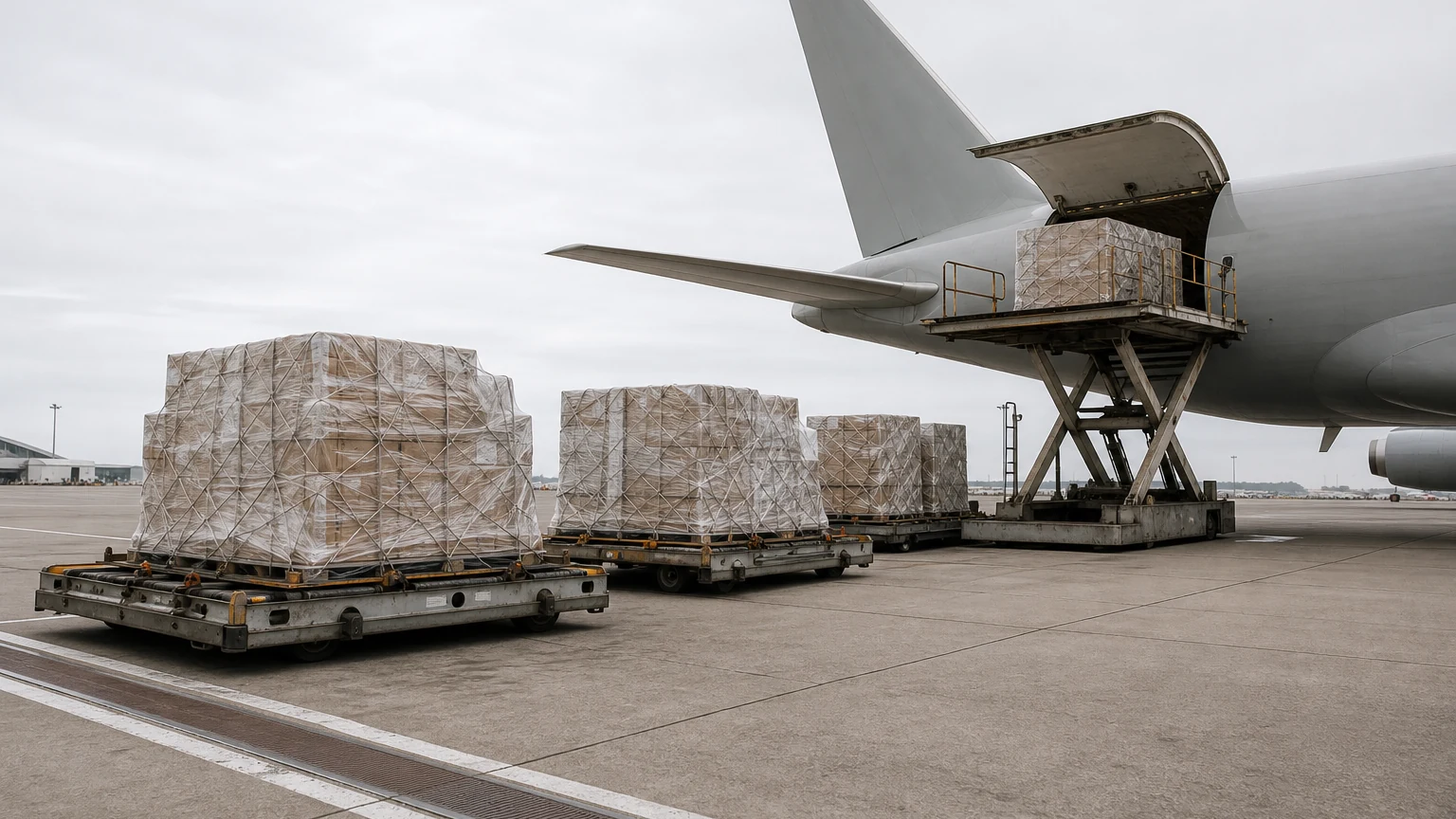
Duty drawback is a refund of duty, taxes and certain fees paid on imported merchandise that is subsequently exported. It is administered by the customs authority of the country where the duty was paid, and it is claimed by the importer of record or by a party acting on that importer’s behalf.
It is not the same as a free trade agreement preference. A preference reduces the duty assessed at the moment of import, because the goods originate in a partner country. Drawback refunds duty that was properly assessed, because the goods did not stay. The two are not alternatives to be weighed against each other; they can apply at different stages of the same goods’ life, and a claim is worth checking whether or not a preference was available.
It is also not automatic. Nothing in the import declaration reserves the refund, and nothing in the export declaration triggers it. The duty is paid, the goods leave, and the money stays where it is unless someone assembles the evidence and files. That single fact explains why drawback is one of the larger unclaimed sums in international trade.
The three main types of claim
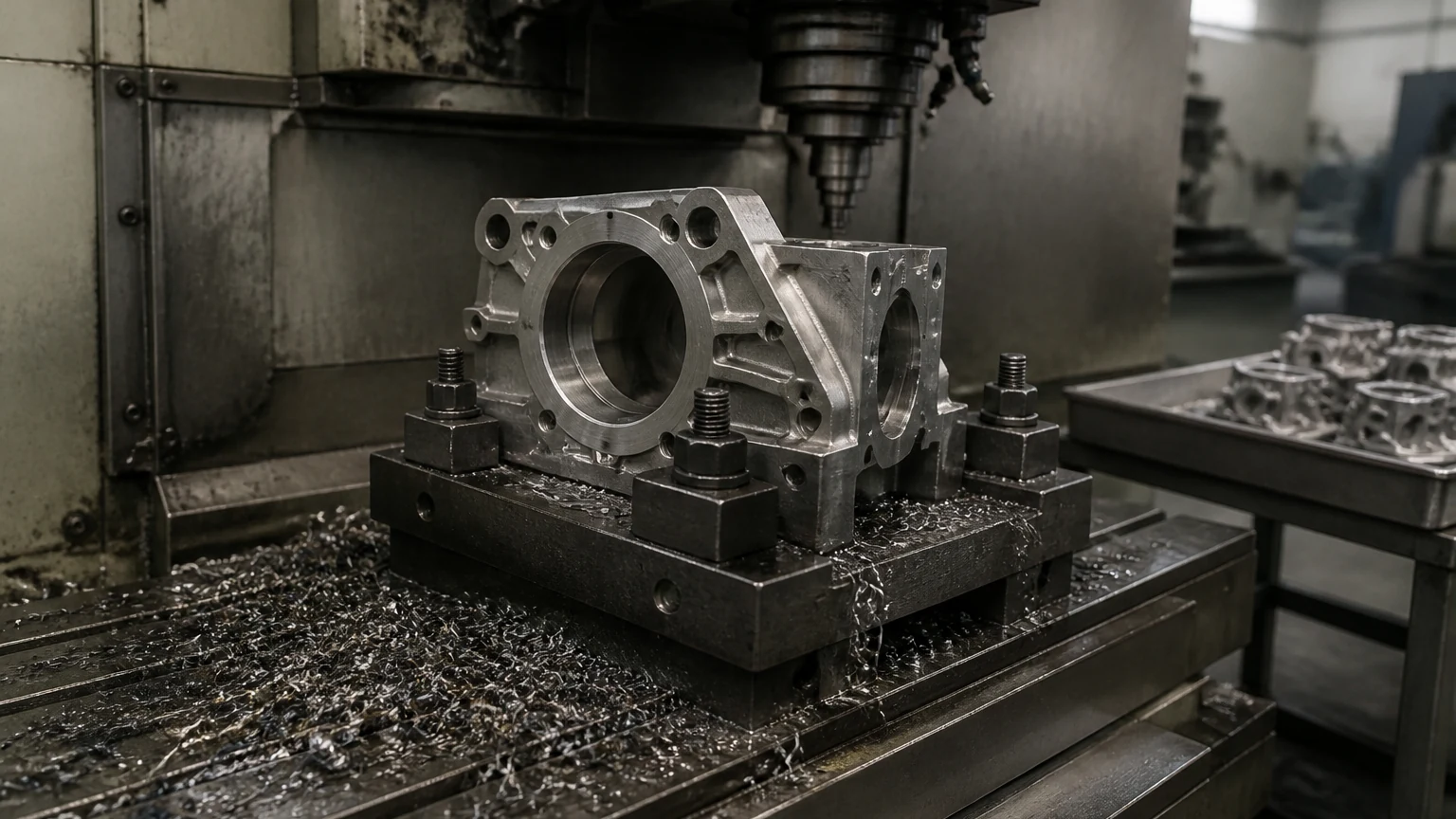
Drawback regimes are built around what happened to the goods, and the three classic categories cover almost every real case. The names differ slightly between jurisdictions, but the logic is consistent.
Unused merchandise drawback. Imported goods that are exported again without having been used in the destination country can support a claim, provided they leave in substantially the same condition as they arrived. The goods were never consumed, never processed and never sold into the domestic market. This is the simplest category to understand and the hardest to administer, because it depends on being able to show the exported item is the very item that was imported — or an acceptable substitute for it.
Manufacturing drawback. Imported goods that are used to manufacture an article which is then exported can support a claim. This is the category that makes drawback commercially significant for manufacturers, because the imported input does not leave the country in recognisable form. The link between the import and the export has to be established through the manufacturing process rather than by tracking the item itself.
Rejected merchandise drawback. Imported goods that are exported or destroyed because they did not conform to the contract, were shipped without the importer’s consent, or were defective at the time of importation can support a claim. The category exists because the importer is being made whole for goods it never wanted in the first place — the duty was paid on a shipment that should not have arrived.
Layered over those three is substitution, which is not a fourth category but a mechanism available within some of them. Instead of matching the exported goods to the identical imported goods, the claim matches them by tariff classification and commercial interchangeability: an imported article and a different exported article that fall in the same tariff subheading can be paired, even though no physical item made the round trip. Substitution is what makes drawback usable for traders and distributors rather than only for manufacturers, and it is also where the eligibility rules become exacting.
| Unused merchandise | Manufacturing | Rejected merchandise | |
|---|---|---|---|
| What it covers | Imported goods exported again unused | Imported goods used to make an article that is exported | Imported goods exported or destroyed because they should not have been imported |
| Typical case | A distributor reselling imported stock abroad | A manufacturer exporting a finished article made from imported inputs | A shipment that did not conform to the contract |
| What must happen to the goods | Exported in substantially the same condition | Exported as part of a manufactured article | Exported or destroyed within the permitted period |
| Substitution available | Yes, on matching tariff classification and commercial interchangeability | Yes, on the same basis | Not on the same basis |
| The hard part | Proving the identity or the substitutability of what left | Proving the input-to-output link through the process | Proving the grounds and meeting the time limit |
| Typical claimant | Trader or distributor | Nhà sản xuất | Importer of a non-conforming shipment |
The two conditions every claim turns on
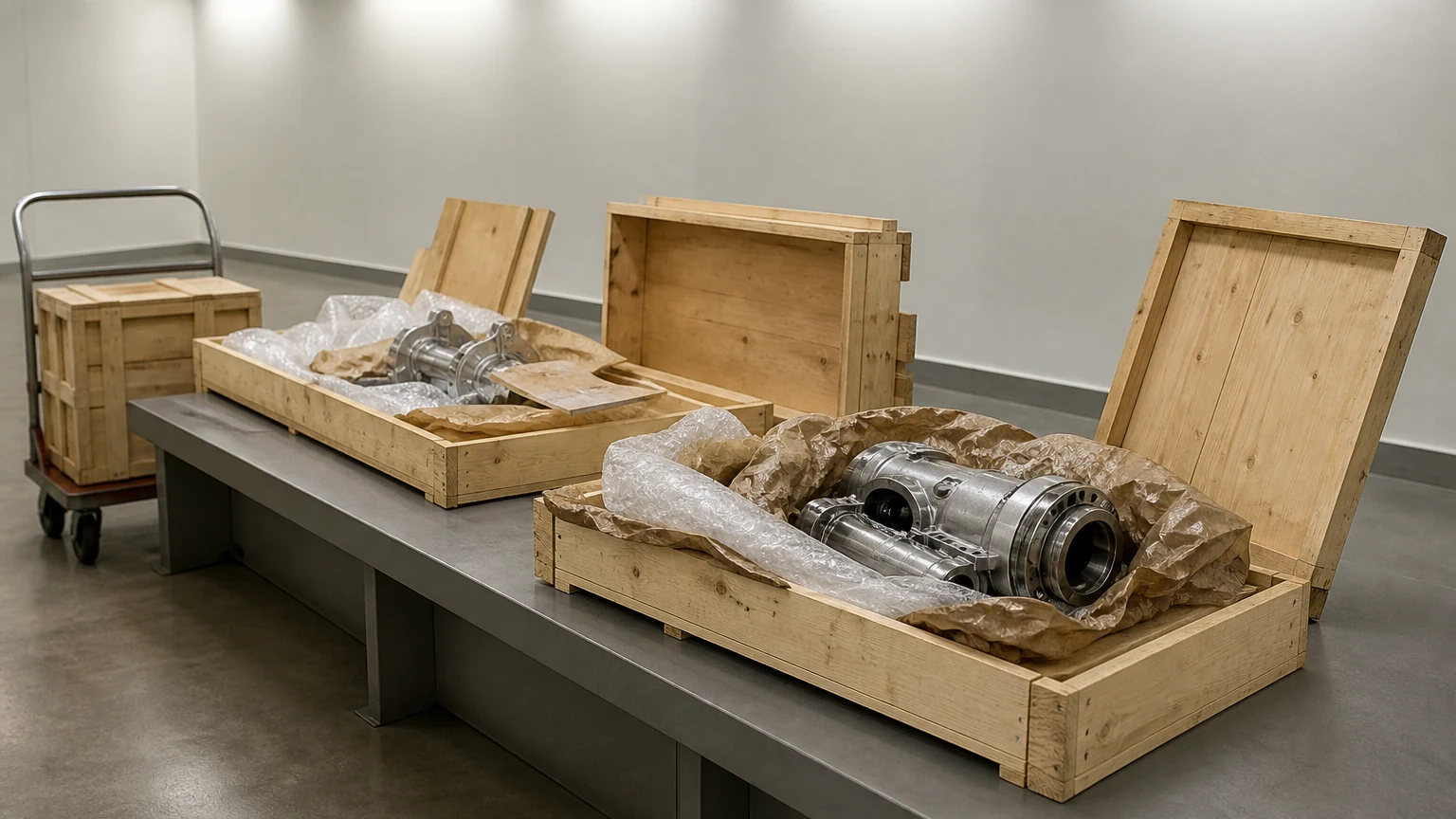
Strip away the categories and every drawback claim rests on two things being true and being provable: duty was paid on the way in, and the goods or their products went out.
The first condition is a matter of records. The import declaration establishes what was imported, its classification and the duty paid. Where the claim relies on substitution, the classification is not just background — it is the thing that ties the exported article to the imported one, which is why the tariff code has to be settled correctly at both ends rather than only at import. Our guide to ý nghĩa của mã HTS covers how the code is structured and why the level of the schedule matters.
The second condition is a matter of evidence. The export has to be documented, and the documentation has to survive scrutiny years later. A transport document showing the goods left, a commercial invoice showing the sale, and internal records showing which imported inventory fed which export all have to line up. The transport document is the anchor, which is why it is worth knowing exactly what each form does — our guide to the định nghĩa vận đơn sets out the difference between the forms and what each proves.
The two conditions are also where the eligibility limits sit. Duty imposed under anti-dumping and countervailing duty orders is not eligible for drawback, and the treatment of duties imposed under trade-remedy or national-security measures varies and has to be checked for the specific measure. A claim built on the assumption that every duty paid is refundable will overstate the recovery, which is why the composition of the duty line is the first thing to establish.
How a claim runs from import to refund
The sequence itself is straightforward, and the difficulty is in the record-keeping that runs alongside it.
At import, the entry records what arrived, its classification and the duty paid. Nothing about drawback happens here, but this is where the evidence starts, and an entry with a vague description or a classification that was never properly determined becomes a claim that cannot be supported later.
During the goods’ life in the country, the importer has to be able to say what became of them. For unused merchandise that means inventory control that keeps imported stock distinguishable from domestic stock. For manufacturing it means a bill of materials and production records that connect the imported input to the exported output. This is the stage companies fail at, because the systems that track imports and the systems that track production are usually different systems, owned by different departments, reconciled against different things.
On export, the movement has to be documented in a way that will still be defensible when the claim is examined. The export declaration, the transport document and the commercial records have to agree with each other and with the import side of the claim.
On filing, the claim is submitted to the customs authority with the supporting records, within the statutory period measured from importation. That period is set by law and has been amended more than once, so the current limit should be confirmed rather than assumed — but it is measured from import, not from export, which is the point that catches importers out. A shipment imported years ago can still be claimed if the export and the records support it, provided the clock has not run.
On review and payment, the authority examines the claim, may ask for further records, and pays the refund or offsets it against amounts the importer owes. A claim is not a credit note; it is an application that can be refused in whole or in part, and the parts most often refused are the ones where the link between import and export was assumed rather than documented.
What the records have to prove
Drawback is a records exercise. The claim form is short; the file behind it is the whole substance of the matter.
The file has to show that duty was paid, how much, on what, and under which classification. It has to show that the exported goods are the imported goods, or their manufactured product, or an acceptable substitute — and where substitution is used, it has to show that the classification and commercial interchangeability tests are met. It has to show the quantity relationship, because the claim is measured in quantities of duty, not in shipments. And it has to do all of that in a way that can be followed by someone who was not involved, years after the fact.
The practical implication is that the decision to claim has to be taken before the records are created, not after. An importer that discovers drawback eligibility a year later has to reconstruct the linkage from whatever the systems happened to retain — and where the import and export sides were never joined, that reconstruction is often impossible. Getting the classification right at import, keeping imported inventory distinguishable, and capturing the export reference at the moment of shipment cost almost nothing at the time and are close to unattainable afterwards.
Why so much eligible duty is never claimed
The gap between duty that is legally recoverable and duty that is actually recovered is large, and the reasons are structural rather than legal.
The first is that nobody owns the process. Import duty is handled by the customs or logistics function; the export is handled by sales or shipping; and the link between them is nobody’s key performance indicator. The refund exists only if someone joins two departments’ data, and no one has the brief.
The second is that the amounts look small one shipment at a time. A single entry’s duty may not justify the effort. Drawback becomes interesting at the level of a programme — a year of imports matched against a year of exports — which is a different proposition from a single claim, and requires a different decision.
The third is that the rules are exacting enough to need help. Substitution testing, quantity matching and record retention are not tasks to improvise, and the cost of getting them wrong is a refused claim and an audit trail that shows the importer was claiming on assumptions. That cost is real but it is bounded, and it is usually much smaller than the duty being left on the table.
Where the arithmetic is being tested, the first question is how large the duty line actually is: the Công cụ tính Thuế Hải quan & Thuế Nhập khẩu applies a rate to a value so the recoverable amount becomes visible, the Công cụ tính chi phí đưa hàng đến nơi shows how much of the delivered cost the duty represents, and our guide to các khoản mục cấu thành chi phí đến nơi sets out the other components a refund does not touch.
Where duty drawback claims go wrong
• Waiting until the goods have gone. The records that prove the link have to be created while the goods are moving. Reconstructing them later is the single most common reason a good claim fails.
• Treating every duty as refundable. Anti-dumping and countervailing duties are not eligible, and the treatment of other trade-remedy and security measures varies. The composition of the duty line decides the size of the real recovery.
• Losing the import-export link. Import records and export records kept by different departments almost never reconcile without deliberate design. If nothing joins them, the claim cannot be substantiated.
• Assuming substitution is automatic. Substitution depends on matching tariff classification and commercial interchangeability. A near-miss on either fails the test, and the classification has to be right at both ends.
• Misreading the clock. The period runs from importation, not exportation, and it has been amended. Importers who assume the clock starts when the goods leave lose claims they would otherwise have had.
• Claiming without the file. The claim is accepted on the strength of the records, not on the strength of the description in the claim. A file assembled afterwards will be missing exactly the pieces the examination asks for.
• Ignoring the export’s own paperwork. The transport document, the export declaration and the commercial invoice all have to support the same story. An inconsistency between them undermines the claim even where the underlying movement was genuine.
Việc cần làm tiếp theo
Start by measuring, not filing. Establish what duty was actually paid over a period, by classification and by amount, and then ask what proportion of those imports were exported in some form within the statutory period. That comparison tells you whether a drawback programme is worth building, and it uses records the business already has.
Then decide the operating model before the next shipment. Imported inventory has to stay distinguishable, the export side has to capture a reference back to the import, and the classification has to be settled properly at both ends. Those three decisions are what make a claim possible; everything after them is administration. Our guide to những yếu tố xác định nước xuất xứ covers the other determination that has to be right at import, and the Danh sách kiểm tra chứng từ xuất khẩu is the fastest way to confirm the export side of the file is complete while the goods are moving rather than long afterwards. Where the movement involves third parties, the party that arranges it may be the only one positioned to capture the reference — see our guide to công việc của đơn vị giao nhận vận tải — and the Danh bạ cổng thông tin hải quan points to the authority that will examine the claim. Where the duty position is being built into a contract rather than a claim, the delivery and payment clauses are worth reading together with the customs analysis, see TradeShield - Đánh giá rủi ro hợp đồng.
Duty drawback is unusual among trade costs in that it is a recoverable one. The customs authority is not going to find the claim for you, and the money does not expire politely — it simply stays unclaimed until the statutory period runs out. For any business that imports and exports in the same supply chain, that is worth an hour of arithmetic before it is worth a filing.