
目次
FCLとLCLは、コンテナ船のスペースを購入する2つの方法を指します。FCLはFull Container Load(フルコンテナロード)の略で、荷主がコンテナ全体を予約し、そのコンテナにはその荷主の貨物だけが積載されます。LCLはLess than Container Load(コンテナ未満の貨物)の略で、荷主が複数の荷主の貨物を1つのコンテナにまとめ、1つの箱として封印したコンテナ内のスペースを予約します。箱そのものは同じですが、異なるのは、その中に誰の貨物が入っているか、そして誰が使用していない部分の費用を負担するかです。.
この選択は、単純な価格比較が示す以上に重要です。一度に3つの点が変わるからです。まず、コスト構造が変わります。FCLはコンテナ単位、LCLは最低料金が設定されたうえで容積または重量単位で料金が決まるためです。次に、貨物が取り扱われる回数が変わります。LCLでは出発地で混載され、仕向地でデバンニングされる一方、FCLでは一度積み込み、一度開梱されるだけです。さらに、書類も変わります。混載では、FCL貨物が使用する輸送書類とはほぼ必ず異なる輸送書類が発行されるためです。.
このガイドでは、FCLとLCLの選択について解説します。それぞれの用語の意味、両者の実際の違い、2つのコスト構造の仕組み、コンテナを共有することによる取扱いとリスクへの影響、書類上の違い、遅延料金の負担がどのように変わるか、そして貨物にどちらを利用すべきかを判断する方法を取り上げます。.
FCLとLCLの意味
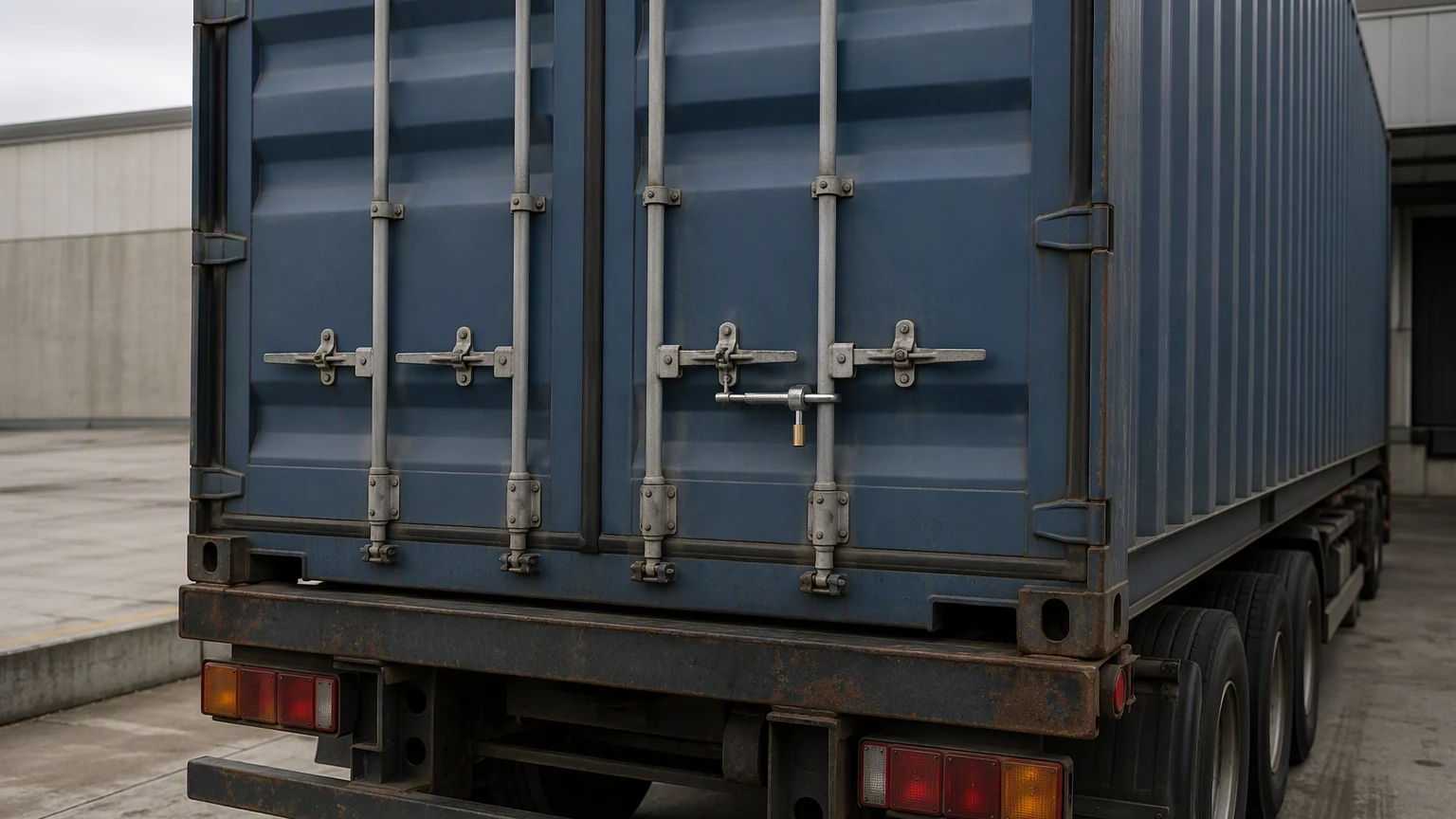
FCL — Full Container Load(フルコンテナロード) — は、貨物がコンテナ1本を占有することを意味します。コンテナは荷主の施設またはターミナルで積み込まれ、封印され、1つの単位として輸送され、仕向地で開梱されます。他社の貨物が一緒に輸送されることはありません。荷主は貨物が占めるスペースではなくコンテナに対して料金を支払うため、コンテナの半分しか満たさないFCL貨物でも、完全に満載した貨物と同じ費用がかかります。.
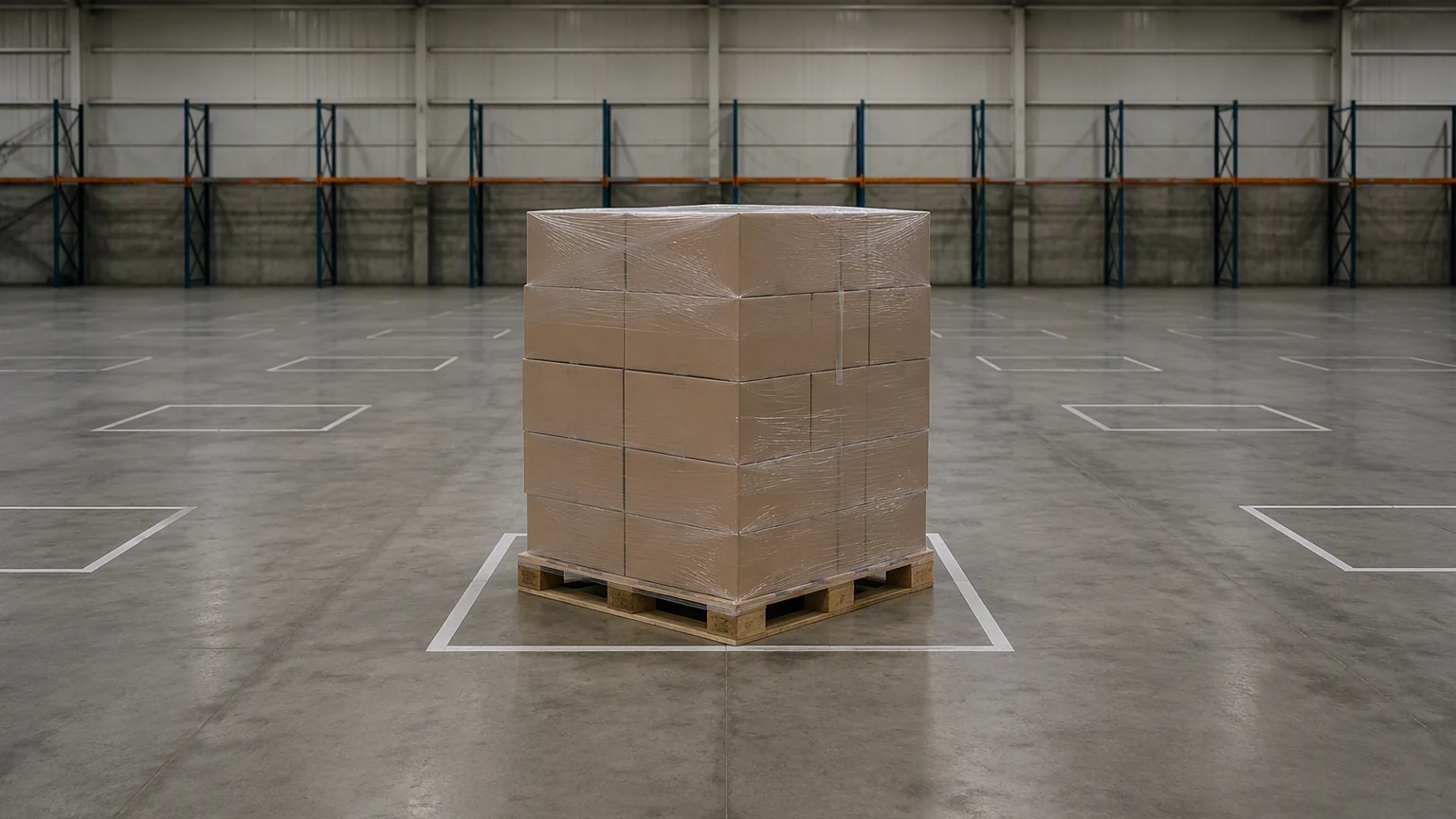
LCL — Less than Container Load(コンテナ未満の貨物) — は、共有コンテナ内にある複数の貨物のうちの1件であることを意味します。荷主は混載施設に貨物を搬入し、そこで他の荷主の貨物とともに積み込まれます。仕向地ではコンテナがデバンニングされ、それぞれの貨物が個別に引き渡されます。荷主は貨物が占めるスペースに対して、立方メートルまたは重量のうち、より大きい金額となる方を基準に料金を支払います。.
どちらの用語にも含まれる「load(積載)」という言葉には、目立たないながら重要な意味があります。これは船舶でも貨物でもなく、コンテナを指します。そのため、年に1回輸送する企業も毎日輸送する企業も、まったく異なる商業上の立場を表すのに同じ用語を使うことができます。.
実際に異なる点:単位となるのは輸送貨物ではなくコンテナ
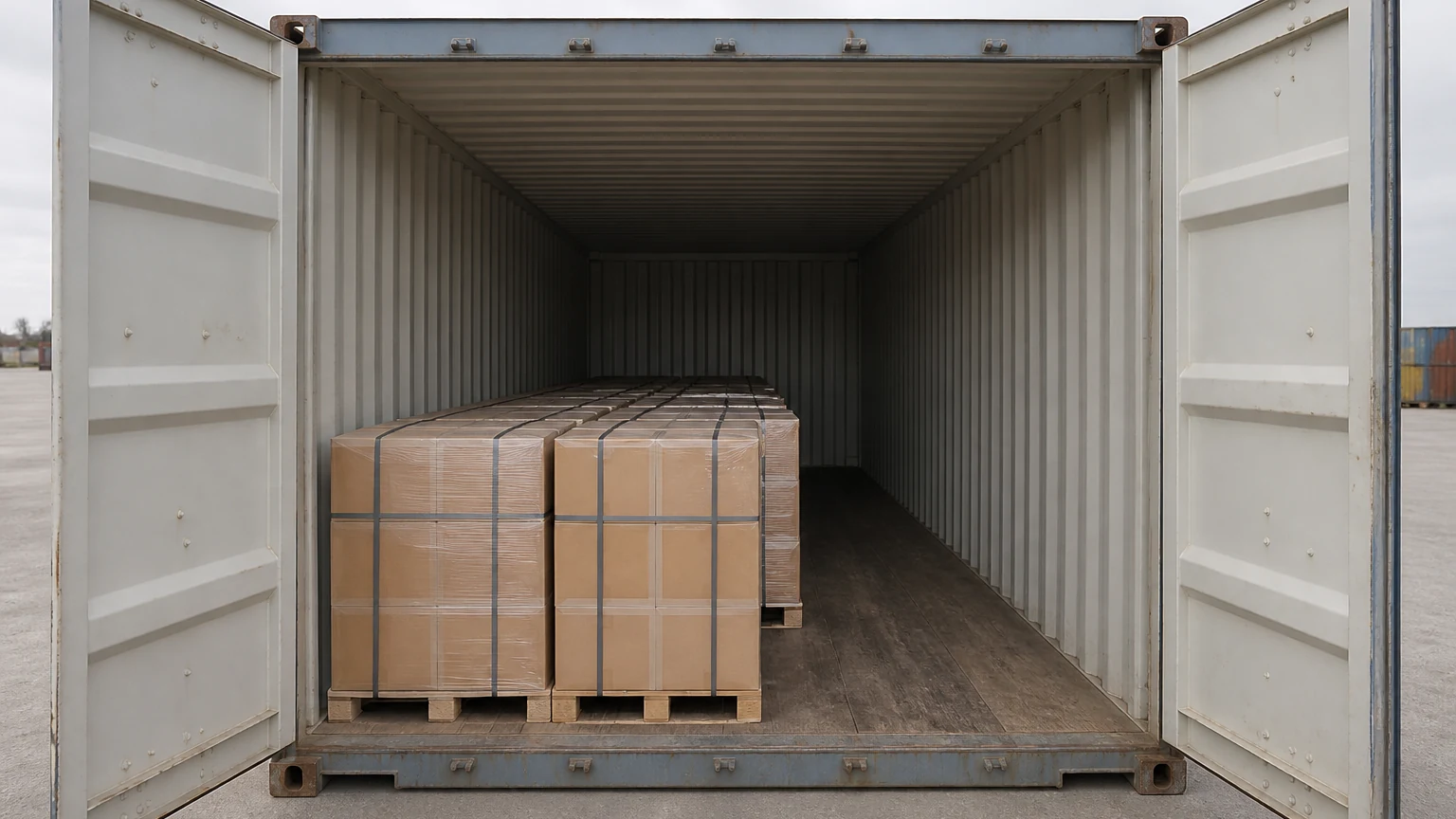
両者を区別するうえで最も有用なのは、顧客が何を購入しているのかに注目することです。FCLの荷主はコンテナを購入します。LCLの荷主はその一部を購入します。その他の違いはすべて、ここから生じます。.
FCLの荷主はコンテナを管理します。貨物の梱包方法、コンテナを自社施設とターミナルのどちらで積み込むか、そしてコンテナをいつ封印・開梱するかを決めます。コンテナを専用利用するため、貨物が取り扱われるのは積み込み地点と荷下ろし地点だけで、その間に取り扱われることはありません。また、荷主はコンテナ自体についても責任を負います。コンテナは返却しなければならず、長時間保持すると費用が発生する可能性があります。.
LCLの荷主が管理するのはコンテナではなく貨物1件です。コンテナ内に他に何が入るか、他の貨物がどのように梱包されるか、箱がどの順番で積み込まれるかを決めることはできません。貨物は、混載施設に到着したとき、コンテナに積み込まれたとき、仕向地でコンテナがデバンニングされたとき、そして貨物が引き渡されるときに取り扱われます。この追加の取扱いは事業者への批判ではなく、共有することによって生じる構造上の結果です。.
この取扱いの違いは、そのままリスクへのさらされ方の違いでもあります。4回取り扱われる貨物は、2回しか取り扱われない貨物よりも損傷する機会が多くなります。また、他の貨物とコンテナを共有すると、他の貨物の状態による影響を受ける可能性があります。液漏れするドラム缶やほこりの多い貨物は、仕切りを意に介しません。LCL混載業者が受託貨物を制限するのは、まさにこの理由によるものであり、こうした制限は事務上の形式ではなく、この方法における実務上の限界です。.
2つのコスト構造と、比較が誤解を招く理由
コスト構造は、単純に規模を変えたもの同士ではありません。形そのものが異なり、項目ごとに比較することが荷主が誤る原因になります。.
FCLの料金は、特定の輸送ルートにおけるコンテナタイプ別のコンテナ単位料金です。コンテナがどれだけ満たされているかによって料金は変わらないため、コンテナが満たされるほど貨物単位のコストは大きく下がります。料金以外に発生する変動費、つまり内陸輸送、ターミナル取扱い、書類作成の費用も、ほとんどの場合コンテナ単位で固定されています。FCL貨物を予約した時点で、その採算性は輸送量ではなく、コンテナをどれだけ効率よく満たせるかによって決まります。.
LCLの料金は貨物そのものを基に積み上げられます。運賃は容積と重量のうち大きい方に基づいて請求され、貨物がどれだけ少量でも適用される最低料金があり、さらに出発地と仕向地のそれぞれで取扱い料金が加算されます。そのため、LCLの見積もりは運賃項目だけを見ると安く見えても、ページ下部では高額になることがあります。最低料金、混載料金、仕向地料金がすべて見出しの料金の下に加わるためです。.
一方が他方より安くなる容積は、固定的な数値ではありません。輸送ルート、料金体系、最低料金、仕向地料金によって異なり、市況に応じて変動します。ただし、影響の方向性は変わりません。貨物が増えるほどLCLは単位当たりのコストが上昇する一方、FCLは積載量にかかわらず同じ費用がかかるため、両者の料金は交差します。そして通常、その交差点は荷主の予想より早く訪れます。多くの貨物は、コンテナが容積上ほぼ満載になる前に重量制限に達するためです。コンテナの容量には容積と積載重量の2つの基準があり、密度の高い貨物はまず後者に達します。.
実務上のポイントは、比較を運賃ではなく納入までの総額で、推測した貨物ではなく実際の貨物に基づいて行うことです。当社の 着地原価に含まれるもの ガイドでは、比較に含めるべき項目を整理し、 LCL海上運賃計算機 では貨物側の費用を算出し、 国際運賃見積比較計算機 では見積もりを同じ条件で並べて比較します。.
輸送時間、輸送経路、そして混載による迂回

LCLはFCLより時間がかかります。その理由はサービス品質ではなく、構造上の違いにあります。コンテナを封じるには、まず貨物が混載施設に到着しなければならず、混載業者が十分な貨物を集めるまでコンテナは封じられません。仕向地では逆の工程が発生します。コンテナがデバンニングされ、その後に各貨物が引き渡されます。海上輸送の前後に2つの追加工程があり、それぞれにFCLでは必要のない時間がかかります。.
輸送ルートによって、その影響はさらに大きくなります。混載施設は特定の航路に対応しているため、LCL貨物は必要な行き先のコンテナに加わるために、最寄りの港ではない施設まで輸送されることがあります。また、仕向地での最終区間は岸壁ではなく、混載解除拠点から始まります。その結果、輸送時間はより長い範囲で見積もられ、納期の確約も難しくなります。.
貨物が緊急性の高いもの、季節商品、または特定の日付に合わせた納入を必要とするものであれば、この違いは運賃の節約分を上回る価値を持つことがよくあります。そうでなければ、時間のかかるルートは単にコストとのトレードオフです。いずれにしても、比較すべきなのは船の運航スケジュールではなく、ドア・ツー・ドアの輸送時間です。実際に時間がかかるのは、前後に追加される工程だからです。.
| FCL | LCL | |
|---|---|---|
| 荷主が購入するもの | コンテナ1本全体 | 共有コンテナ内のスペース |
| 料金の決まり方 | 積載量にかかわらないコンテナ単位の料金 | 立方メートル単位または重量単位のうち大きい方。最低料金あり |
| 中に入る他社の貨物 | ない | 他の荷主の貨物 |
| 貨物の取扱い回数 | 積み込み時と荷下ろし時 | 混載施設、積み込み時、デバンニング時、引き渡し時 |
| 一般的な輸送書類 | 運送人の船荷証券、またはフォワーダーが本人として行動する場合はフォワーダーの船荷証券 | 混載業者が発行するハウス船荷証券。コンテナ全体をカバーするマスター船荷証券が付随 |
| 輸送における追加工程 | 海上輸送区間以外はなし | 出発地での混載と仕向地での混載解除 |
| 荷主が負担する遅延料金 | コンテナは荷主が移動・返却するものだから、コンテナのデマレージおよびディテンション | Terminal and facility storage, because the shipper never holds a container |
| Suits cargo that is | Large in volume or dense in weight, fragile, hazardous or urgent | Small, light and non-urgent |
The rows worth dwelling on are the fifth and seventh. The transport document changes, which turns an ordinary routing decision into a payment question wherever the sale runs on a documentary credit. And the delay exposure changes shape: an FCL shipper has a container to give back and can therefore incur detention, while an LCL shipper has no container and instead accrues storage at the terminal or the facility. Our guide to デマレージとディテンション covers how those two clocks work and who ends up paying them.
書類上の違いと信用に関する問題
Consolidation changes who issues the transport document, and that change propagates into the payment mechanism.
In LCL the container is booked by the consolidator, which receives the carrier’s master bill of lading for the whole box and issues its own house bill to each shipper for that shipper’s consignment. The shipper’s contract of carriage is therefore with the consolidator rather than with the ocean carrier, which is the arrangement our guide to 貨物フォワーダーの業務内容 describes as acting as principal. In FCL the shipper, or the forwarder booking on its behalf, can buy directly from the carrier and take the carrier’s own bill.
Where the sale is paid under a documentary credit, that distinction decides whether the documents comply. A credit that calls for a bill of lading issued by a carrier and is tendered a consolidator’s house bill raises a question the bank has to resolve against the credit’s wording — a question that is answered before the credit is opened or argued about after the goods have sailed. The forms and what each proves are covered in our guide to the 船荷証券の定義, and the wider set that has to agree with them is set out in 輸出のための出荷書類.
貨物にどちらを利用すべきか判断する方法
Four questions settle most cases, and none of them is “which is cheaper per cubic metre”.
How much is there, and how much does it weigh? Volume alone misleads. A dense cargo can reach a container’s payload limit while the box is still half empty, which pushes the decision towards FCL or towards a different packing method entirely. The useful figure is volume and weight together, measured rather than estimated.
How fragile or how restricted is it? Cargo that cannot tolerate shared handling, or that falls into a category consolidators restrict, has effectively chosen FCL already. Fragility is not only about breakage; contamination, odour, moisture and the load above it all count.
How much does a day of transit cost the buyer? Where the goods are dated, the extra stages in an LCL route are a real cost that belongs in the comparison next to the freight. Where they are not, the slower route is free of consequences.
Who is paying the destination charges, and how are they calculated? LCL adds handling at each end, charged on the same volume or weight basis. On a small consignment with a minimum charge, those lines can easily exceed what was saved on the freight, which is why the comparison has to be run to the destination rather than to the port.
選択を誤るポイント
• Comparing freight rates instead of delivered costs. LCL’s charges sit at both ends of the journey as well as in the middle. A rate comparison that stops at the port of discharge will favour LCL almost every time and be wrong most of the time.
• Ignoring the minimum charge. LCL is priced on volume or weight with a floor underneath it, so very small consignments are charged for more than they occupy. The floor is what makes small shipments expensive, not the freight rate.
• Estimating volume by eye. LCL charges follow the declared measurement, and a discrepancy between what was declared and what was measured is discovered at the consolidator’s facility with the cargo already there. Measure before quoting.
• Assuming a half-full container is expensive. An FCL shipment at half fill still costs the same as a full one, and the extra space is free. Shippers who never test the crossover leave money on the table on every shipment above it.
• Forgetting the container’s weight limit. Volume capacity and payload are two different limits. Dense cargo hits the payload first, and a plan built on cubic metres then fails at the weighbridge.
• Choosing LCL for cargo that cannot share. Consolidators restrict dangerous goods, oversized pieces and cargo that could damage or be damaged by what travels with it. Discovering the restriction after booking costs more than the freight difference.
• Leaving the documentation question to the bank. Consolidation changes who issues the transport document. Where a credit is involved, that decision has to be made before the credit is opened rather than discovered at presentation.
次にすべきこと
Measure the cargo before choosing the method. Volume and weight, taken from the actual packing rather than from the sales description, because both feed the LCL charge and both decide whether an FCL box is genuinely out of reach. Then run the comparison to the destination, including the consolidation and deconsolidation charges, the minimum, and whatever the receiving end will bill — the LCL海上運賃計算機 と 国際運賃見積比較計算機 both work on that basis.
Then decide the document, because the method decides it for you. LCL produces a house bill issued by the consolidator, FCL can produce the carrier’s own, and where a credit is in play the credit has to be drafted around whichever will appear. Where the shipment moves on a term that leaves the seller arranging the carriage, the obligation and its cost boundary are set by the delivery rule rather than by the quotation — our guides to CIF ガイドと DAPインコタームズ cover where those two rules put the handover. And where the cargo is valuable enough that shared handling is a concern, the insurance and packing decisions should be made with the method already fixed, not in parallel with it.
FCL and LCL are not a cheap option and an expensive option. They are a whole box and a share of one, and the right answer is the one that matches the cargo, the deadline and the paperwork — which is a decision that can be made properly in advance and almost never made well afterwards.
The platform that keeps the information behind it connected to the deal is described on the サービスページ.
Whichever mode a shipment ends up in, the figure the carrier bills is rarely the weight on the packing list: for light and bulky cargo it is worked out from the space the goods occupy, which is set out in the guide to air freight chargeable weight.