

EXW Incoterms: What Ex Works Means and Who Carries the Risk
EXW leaves loading, export clearance and all carriage with the buyer. What Ex Works means, where risk passes, and why FCA suits an international sale.
EXW leaves loading, export clearance and all carriage with the buyer. What Ex Works means, where risk passes, and why FCA suits an international sale.
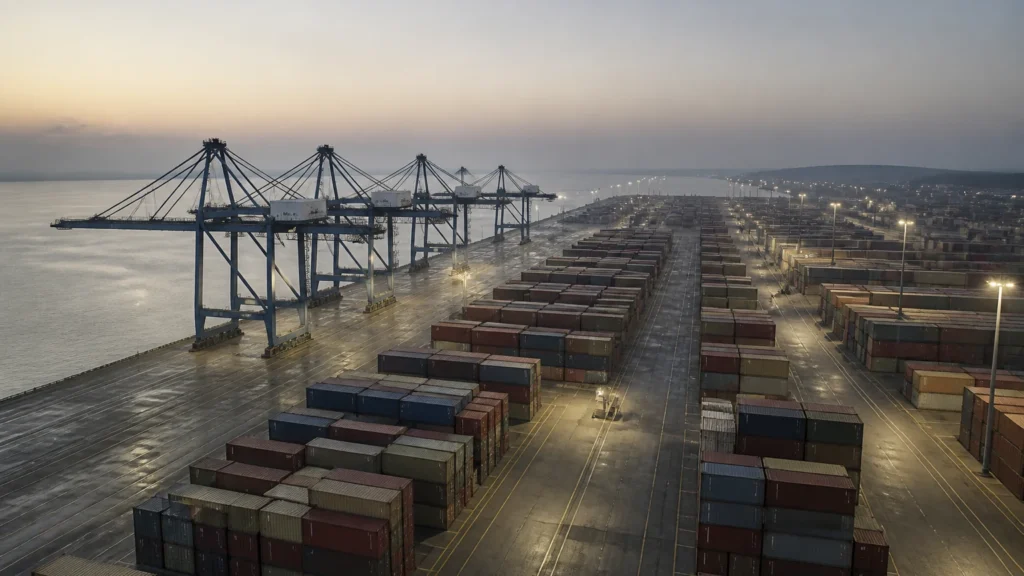
Demurrage applies inside the terminal and detention outside it. What each covers, where free time ends, who ends up paying and how the charges are avoided.
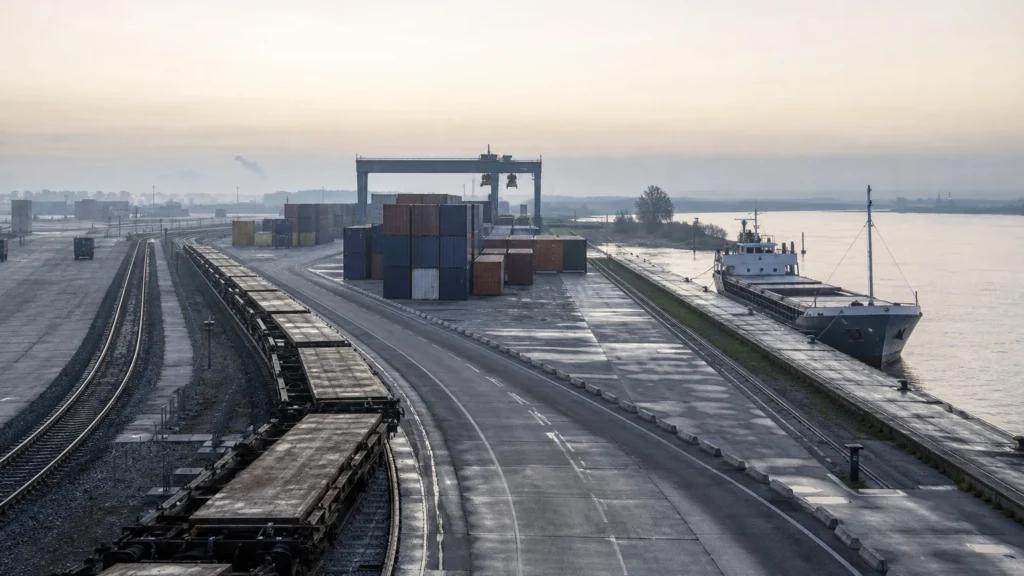
A freight forwarder arranges carriage without carrying the cargo. What it does, when it acts as the carrier, and which charges a quote leaves out.
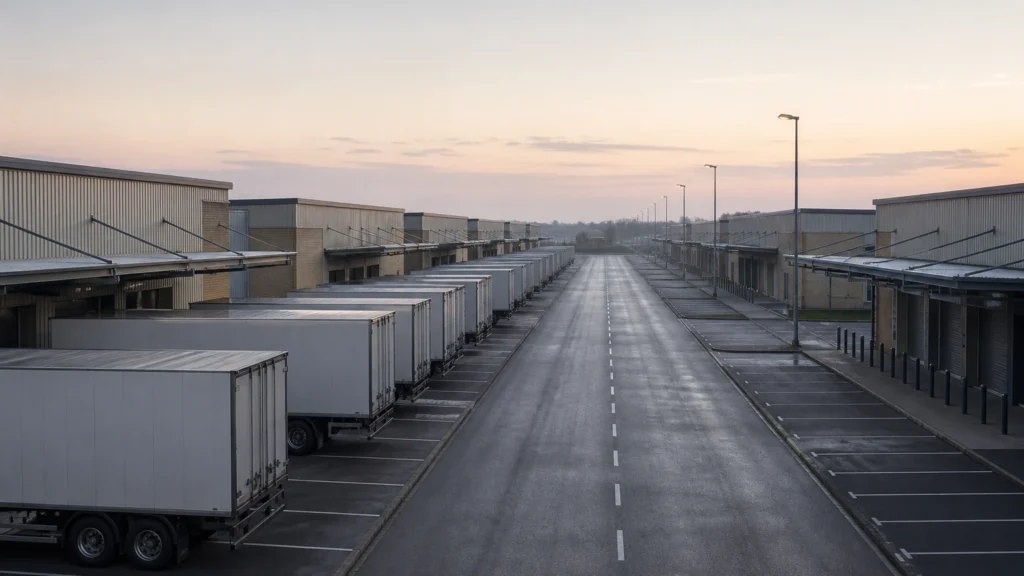
DAP is the Incoterms rule that delivers to a named place without import clearance. Where risk passes, who unloads, and how DAP differs from DDP.

A telegraphic transfer is a bank-to-bank payment that is not conditional. What it contains, who bears the charges and when to use it instead of a credit.

A bill of exchange is a written order to pay, not a record of shipment. What it contains, who the parties are, and how it differs from a bill of lading.
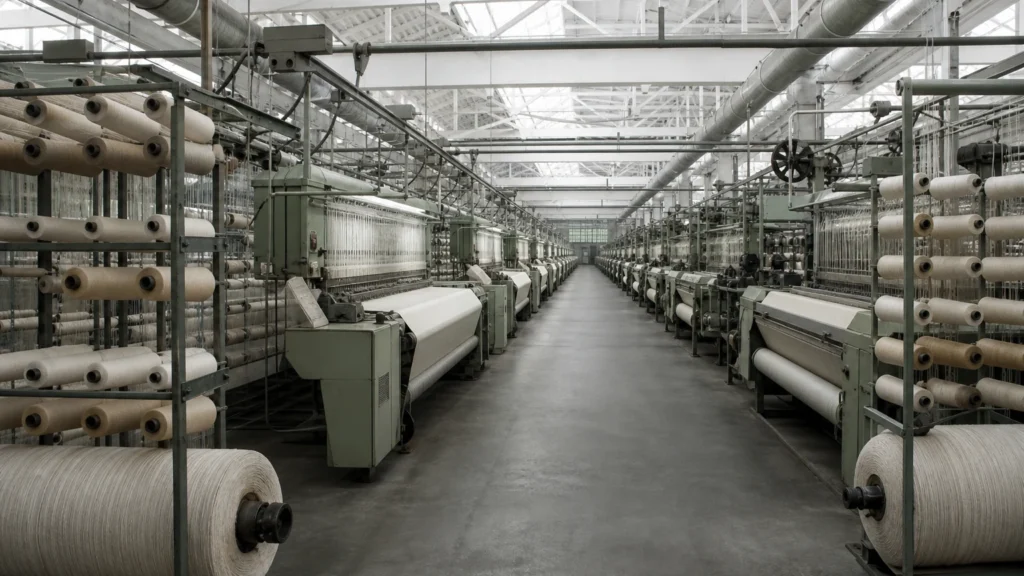
Country of origin is not where goods were shipped from. How customs determines it, how substantial transformation is tested, and why it changes your duty.
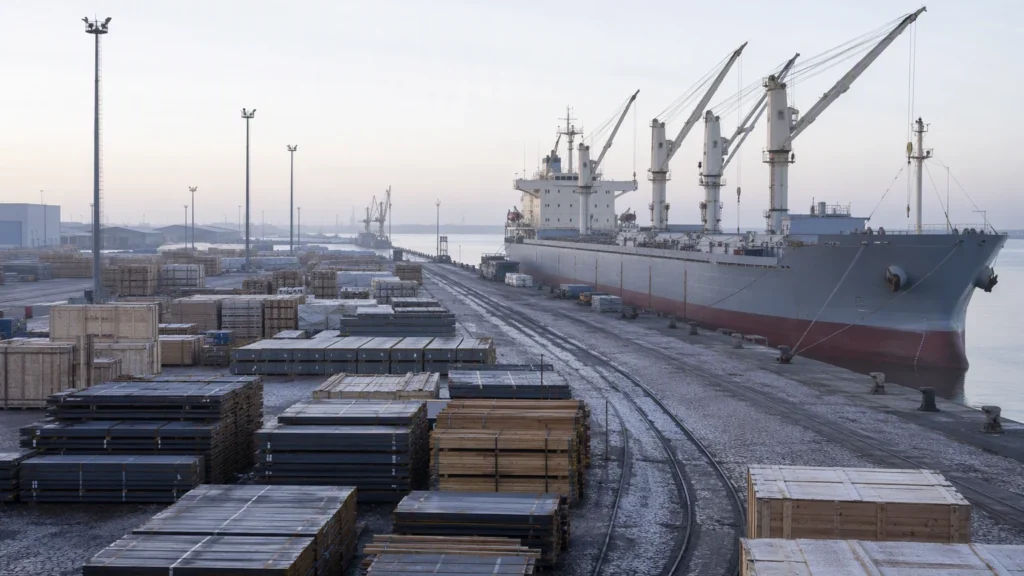
What FOB means under Incoterms, where risk passes, and why the American FOB shipping point and destination are a different system entirely.
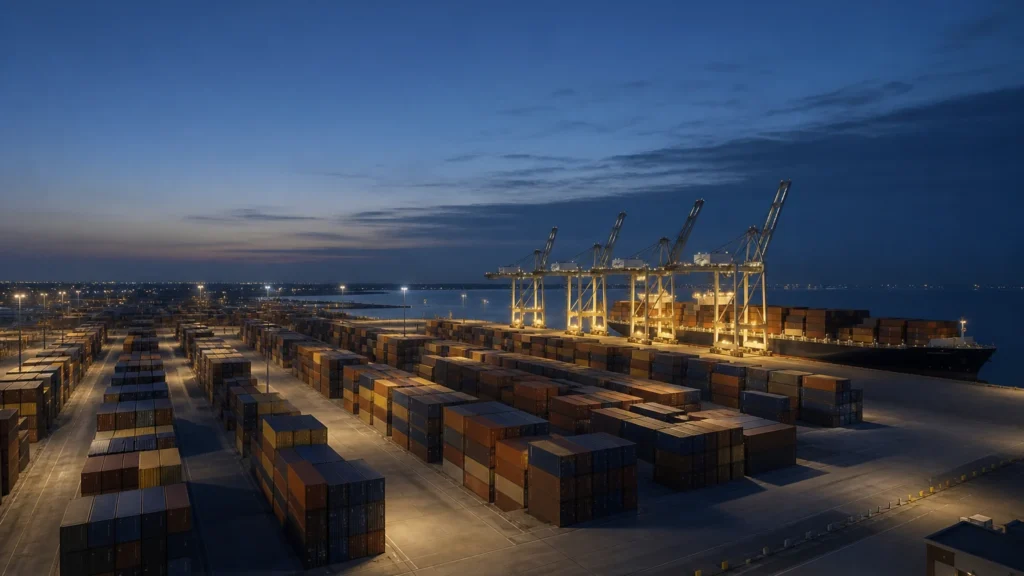
What a commercial invoice is, the fields it needs, how it differs from a proforma invoice, and the errors that most often hold a clearance up.

Standby letter of credit explained: what it secures, how it differs from a commercial letter of credit, how a drawing works, and which rules apply.
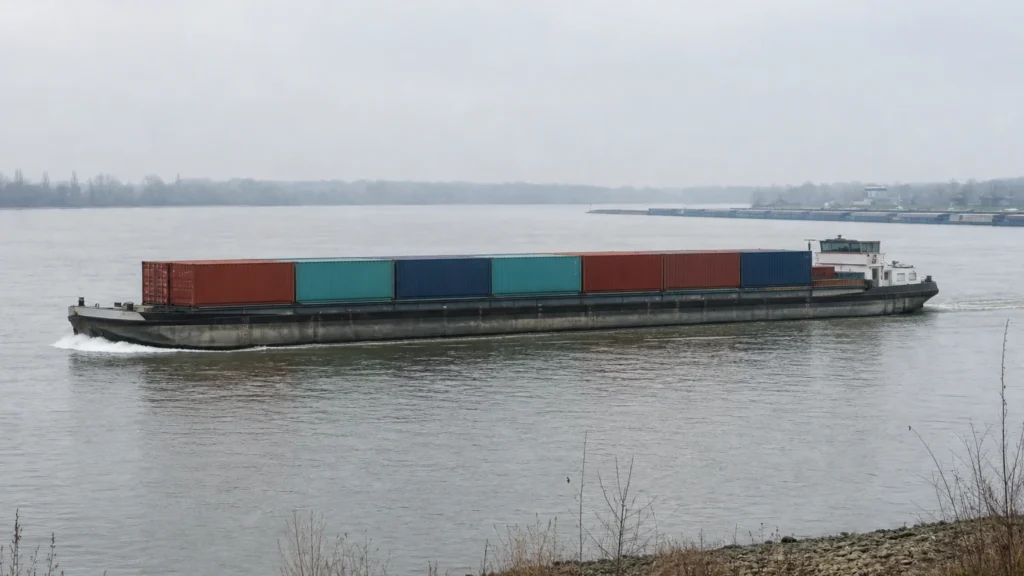
Bill of lading definition explained: what a B/L is, the three roles it performs, the types that change your risk, and how title transfers by endorsement.
HTS meaning explained: what an HTS code is, how it differs from an HS code and Schedule B, and how the classification decision becomes the duty decision.