
Table of Contents
- 1. Bill of lading definition: three roles in one document
- 2. What B/L and BOL mean
- 3. What is on a bill of lading
- 4. Originals, telex release and sea waybills
- 5. The main types of bill of lading
- 6. House bill versus master bill
- 7. Endorsement, and how title actually transfers
- 8. When a bill of lading goes wrong
- 9. What to do next
The bill of lading definition most people are given — “it is the document you get when you ship goods” — is accurate and almost useless. The bill of lading is three separate legal instruments printed on one sheet: a receipt for the goods, evidence of the contract of carriage, and a document of title that can be sold, pledged or endorsed while the cargo is still at sea. Only the third one explains why banks will lend against it and why a missing original can strand a container on a quay for a week.
This guide covers what a bill of lading actually is, what B/L and BOL mean, every field that matters on a real one, the difference between originals, telex release and sea waybills, and the main types — including the house and master bills a forwarder issues and most importers never distinguish. It also covers how title transfers by endorsement and where bills of lading most often go wrong. The difference between a house bill and the carrier’s own bill, and who issues each, is set out in our guide to what a freight forwarder does. Whether a consignment moves as a full container or shares one with other shippers is covered in our guide to the FCL vs LCL comparison.
Bill of lading definition: three roles in one document
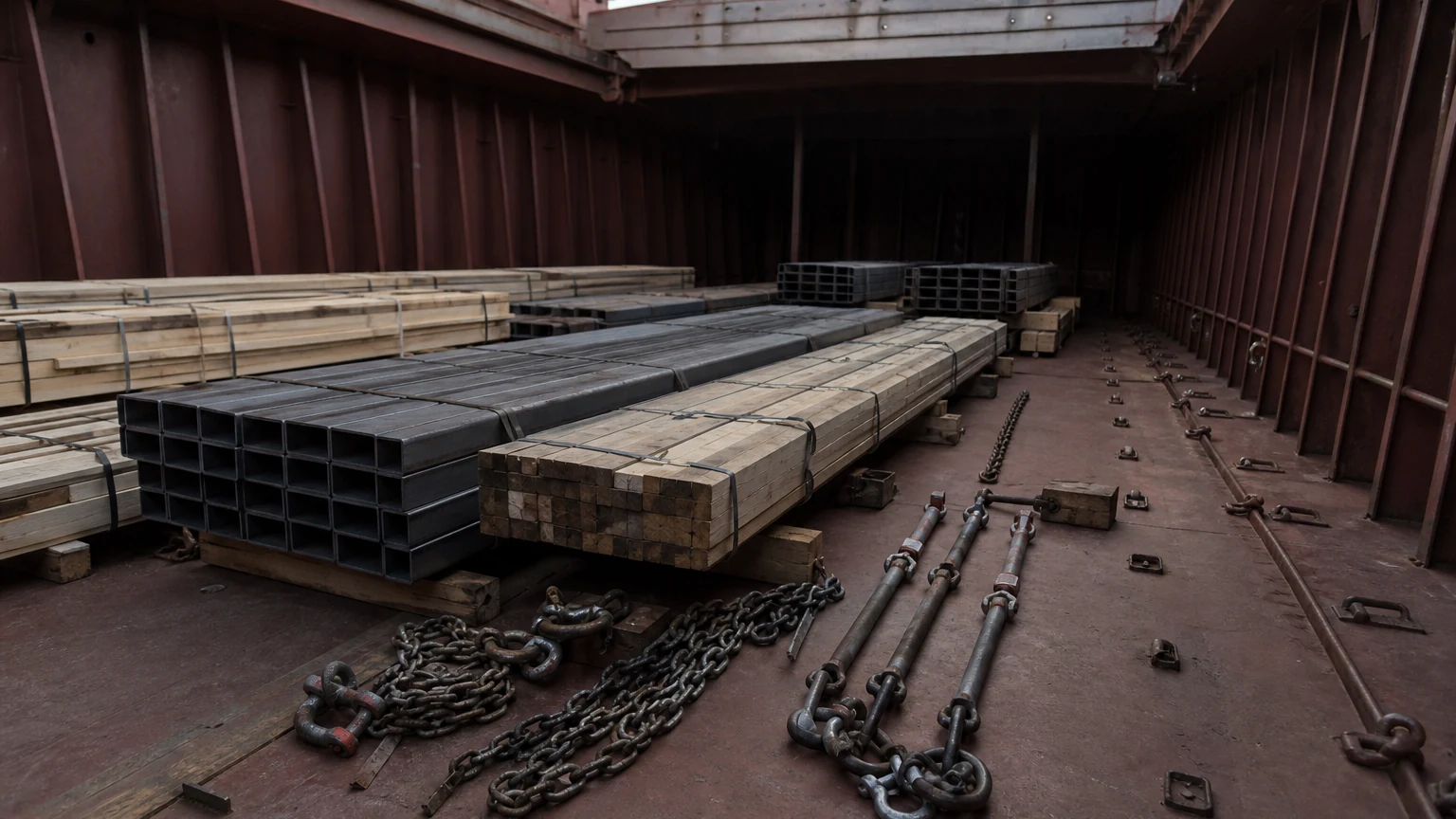
A bill of lading is a document issued by or on behalf of a carrier when goods are handed over for carriage, usually by sea. It performs three functions at once, and each one answers a different question.
As a receipt, it evidences that the carrier has received the goods described, in the quantity stated, apparently in the condition noted. That is why the description and the condition remarks matter: what the carrier acknowledges receiving is what it is obliged to deliver.
As evidence of the contract of carriage, it records the terms on which the goods move — the parties, the voyage, the freight basis and the terms on the reverse, which adopt the carrier’s standard conditions. It is typically evidence of a contract rather than the contract itself, because the contract is usually concluded before the document is issued.
As a document of title, it is the function that makes the bill unique. Whoever lawfully holds the original is entitled to take delivery of the goods, and the document can be transferred to another party. That single characteristic turns a shipping receipt into a trade finance instrument. If you are assembling the wider file around it, our guide to shipping documents for export covers how the bill sits alongside the invoice, packing list and certificates. Our guide to what a commercial invoice must contain covers the fields and the checks in detail.
What B/L and BOL mean
B/L and BOL are both abbreviations of bill of lading. B/L is the older form, still standard in banking and shipping correspondence and commonly written with the slash. BOL is the shorter form used heavily in North America, and it is the one you will see on carrier portals and inland freight documents. They mean the same thing, and neither is more correct than the other.
The abbreviations matter for a practical reason: the search terms, forms and internal systems you meet will not agree with each other. A supplier may email an “original B/L”, a carrier portal may ask you to upload a “BOL”, and a forwarder may refer to “the bill” throughout. Reading them as three names for one document prevents the kind of error where a duplicate is requested because two departments each believe they are missing something different.
Two related abbreviations deserve separating out. A sea waybill is not a bill of lading, even though it looks similar and is often handled by the same people, and a telex release is not a document at all but an instruction. Both are covered below, because confusing them with a negotiable original is the source of most delivery disputes.
What is on a bill of lading

A bill of lading is a short document, and nearly every field on it carries a consequence. The shipper is the party handing over the goods. The consignee is the party entitled to take delivery, and how the consignee field is worded decides whether the document is negotiable. The notify party is the party the carrier contacts on arrival, which is frequently a customs broker rather than the buyer.
The voyage fields identify the vessel, the port of loading and the port of discharge, and where transhipment is expected, the place of receipt and final destination. The goods description, marks and numbers, number of packages, and weight or volume must correspond to what was actually shipped, because they define what the carrier acknowledged receiving. The freight field states whether freight is prepaid or collect, and on what basis.
Then come the fields people read past and later wish they had not: the number of originals issued, the place and date of issue, and the signature on behalf of the carrier. The date of issue matters commercially because it is usually the date the goods were received or loaded, and that date is what a letter of credit is checked against. The number of originals matters because delivery requires presentation, so the set has to be accounted for. Where your documents are being assembled per shipment, the Export Document Checklist keeps the bill alongside the packing list and invoice, and the Packing List Builder keeps marks and package counts consistent with what the bill states.
Originals, telex release and sea waybills

This is the distinction that decides how your buyer actually gets the cargo, and it is worth being precise about. An original bill of lading is issued in a set, commonly three originals, any one of which can be presented to obtain delivery. Because any single original works, the whole set has to be controlled: a set that has been split between parties is a set that can be misused.
A telex release is not a document but an instruction from the shipper authorising the carrier to release the goods without presentation of the originals, usually because the originals are still in transit or being held by a bank. It is fast and it is irreversible. Once the carrier has released against a telex instruction, the original bills in circulation no longer control the cargo, so issuing one before payment is settled removes your remaining hold on the goods.
A sea waybill is a different instrument. It is non-negotiable: the named consignee takes delivery on presentation of identification rather than of the document, and it cannot be endorsed to transfer the right to the goods. That makes it cheaper and faster for shipments between parties who already trust each other, such as intra-company transfers, and unsuitable where a bank needs to control the cargo. Choosing between them is a decision about who should hold the leverage while the goods are afloat, and it belongs in the sales contract rather than in the shipping instructions.
The main types of bill of lading
The types are not alternatives on a menu; a single shipment usually produces a document that is several of these at once. What matters is knowing which labels apply to your document, because each one changes an obligation.
| Type | What it means | Why it matters |
|---|---|---|
| Straight | Consigned to a named party and not negotiable | The named consignee takes delivery; the document cannot be transferred or pledged |
| Order | Consigned to the order of a named party, commonly the shipper or a bank | Title moves by endorsement, which is why banks accept it as security |
| Bearer | Made out to bearer rather than to a named party | Whoever holds it can claim the goods; treat it as cash and avoid it |
| On board | States that the goods are loaded on the vessel | Usually what a documentary credit requires, because it fixes the shipment date |
| Received for shipment | Acknowledges receipt of the goods, not loading | Suits containerised cargo handed to a terminal before the vessel loads, but may not satisfy a credit |
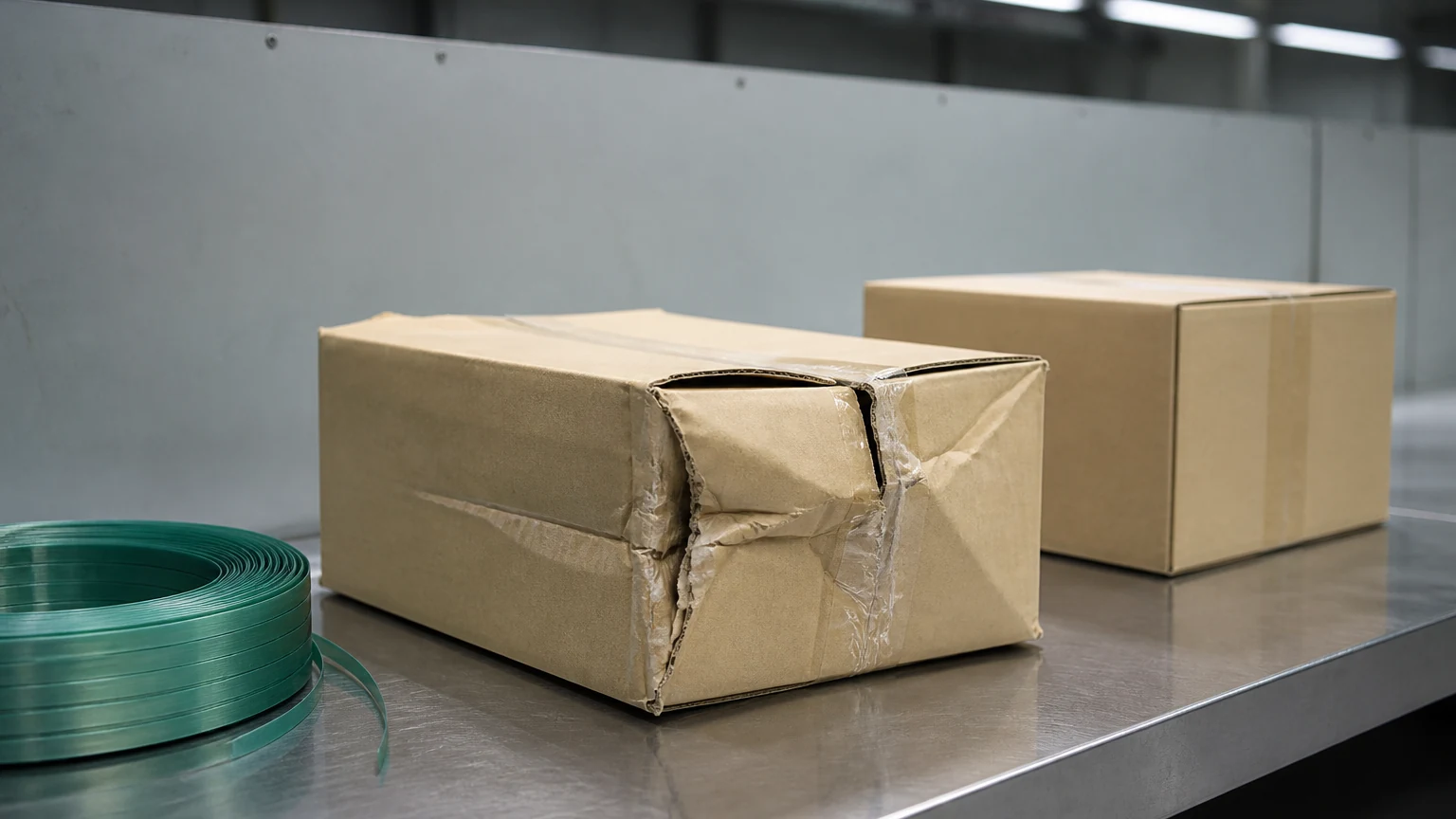
| Clean | Carries no remarks about the condition of the goods or packaging | What buyers and banks expect; a claused bill signals damage or packaging problems |
| Claused (or dirty) | Carries a remark qualifying the condition, such as torn packaging | Usually rejected under a credit and a common cause of payment delay |
| Master | Issued by the actual carrier to the party who booked the carriage | The carrier’s own document and the one that governs delivery at the port |
| House | Issued by a freight forwarder to the shipper | What the shipper usually receives when a forwarder consolidates the shipment |
| Through | Covers carriage over more than one leg or mode under one document | Useful where the routing includes a transhipment or an inland leg |
Two rows deserve emphasis. The consignee wording in the first three decides negotiability, which is the difference between a document a bank will finance and one it will not. The clean or claused row decides whether a documentary credit is honoured, and it is the most frequent reason a technically correct shipment fails at the bank.
House bill versus master bill
When a freight forwarder handles a shipment, two bills of lading commonly exist for the same cargo. The master bill is issued by the actual carrier to the forwarder, who is the carrier’s customer. The house bill is issued by the forwarder to the shipper, and it is the document the shipper usually receives and forwards to the buyer or the bank.
Because both describe the same goods, the two can be confused, and the confusion is expensive. They carry different issuers, different terms and often different consignee details. A bank checking a documentary credit will usually be looking for the house bill the shipper presents, while the carrier at the destination releases against the master bill held by the forwarder.
The practical rule is to know which document your buyer needs and which one actually controls release. If a payment is being made against documents, confirm with the bank which bill it expects, and make sure the forwarder’s release instruction matches. Where the carriage terms themselves are still open, the Incoterms® 2020 Selector maps each rule to the parties’ obligations, and our guides to FCA Incoterms 2020 and CIF Incoterms 2020 explain which side arranges the carriage the bill evidences.
Endorsement, and how title actually transfers
Titles does not move because the goods move. It moves when the document is transferred in the way the document allows. On an order bill, the named party endorses the reverse and either names the party to whom it is transferred or leaves the endorsement in blank, in which case the document becomes transferable by delivery alone.
That mechanism is what allows a bank to hold a bill as security. The bill is made out to the order of the shipper, the shipper endorses it to the bank, and the bank releases it to the buyer against payment or against acceptance of a draft. The goods may already be at the destination port while this is happening, which is why timing matters: a bill that arrives after the vessel does creates demurrage while everyone waits for paper.
Endorsement also carries risk. An endorsed bill is a transferable right to collect goods, and a blank endorsement makes it a bearer instrument in effect. That is why a lost original, or a set that has been split, is treated as a serious problem rather than an administrative one. Where a documentary credit is involved, the terms that govern the documents — including the requirement for an on-board clean bill and the tolerance allowed in the description — are set by the credit and by the ICC rules that apply to it. Our guide to the standby letter of credit covers how a credit that pays on demand differs from the documentary credits used to pay for goods., so the bill should be checked against the credit before the goods are handed over, not after.
When a bill of lading goes wrong
• The bill is claused when the credit requires a clean one. A remark about torn packaging or damaged cartons turns a compliant shipment into a discrepancy, and discrepancies are resolved by negotiation rather than by the carrier. Check the condition remarks before the vessel sails.
• The consignee field does not match what the buyer needs. A straight bill cannot be endorsed, so a buyer expecting a negotiable document cannot fund against it. Confirm the wording in the contract and in the shipping instructions.
• Originals cannot be produced when the cargo arrives. If the set is in transit or held, the goods sit. Either arrange a telex release in advance with a clear payment position, or accept the demurrage that follows. Where transit times are tight, the Freight Quote Comparison Calculator helps compare routings on total time rather than rate alone.
• House and master bills are conflated. The shipper presents the house bill while release at destination depends on the master bill, and the two are not interchangeable. Establish which document governs release before the cargo arrives.
• The description or marks disagree with the invoice and packing list. Banks and customs authorities both compare documents, and a mismatch between the bill and the commercial documents of the same shipment invites both a payment discrepancy and a clearance question. Keep the descriptions aligned, and where marks and counts are involved, the Shipping Marks Generator keeps the carton and the document consistent.
What to do next
Take your next shipment and decide three things before the goods are handed over. First, which instrument you want: a negotiable original, a sea waybill, or an original released by telex instruction — and who should hold the leverage while the goods are afloat. Second, what the consignee field must say to satisfy your buyer or your bank. Third, how many originals will be issued and who will hold the set while the goods are in transit.
Then check the bill against the credit and the commercial documents the moment it is issued, while there is still time to correct it. A bill of lading is one page and it is issued late in a process that has already consumed weeks, which is exactly why errors on it are found too late. Where the payment side involves staged terms, the Trade Finance Cost Calculator covers the cost of the instruments involved, and for the delivered cost that duty adds on arrival, our guide to what landed cost includes explains where the bill sits in the wider file. Where an agreement covers delivery, cost, risk and payment together, it is worth having those clauses reviewed as a set rather than piecemeal — see TradeShield Contract Risk Review.