
Table of Contents
- 1. What FCA means in practice
- 2. The named place decides who loads the truck
- 3. Where cost and risk pass — and the insurance gap
- 4. Export clearance and documentation stay with the seller
- 5. FCA vs FOB: why containerised cargo usually belongs on FCA
- 6. FCA vs EXW: the export clearance question
- 7. FCA, FOB and EXW compared
- 8. A working checklist for FCA shipments
- 9. Four mistakes that cost real money
- 10. What to do next
FCA is the Incoterm most exporters should be using and the one most exporters misuse. It sits between EXW, where the buyer does almost everything, and FOB, where the seller carries the goods all the way on board a vessel. FCA splits the work at a single point: the named place. Get that place right and the term is efficient and cheap. Get it wrong and you discover at the loading bay that neither side has arranged the truck.
It is also the term that changed most usefully in the 2020 revision. Earlier editions left the loading question open at the seller’s premises, which produced years of avoidable argument between exporters and their forwarders. The current rule answers it directly, but only if the contract names the place it applies to.
This guide explains what FCA actually obliges each side to do, where risk and cost pass, how it interacts with export clearance and documentation, and how it compares with FOB and EXW. If you are choosing a term for a new contract rather than reading about one, the Incoterms® 2020 Selector maps each rule to the obligations it creates. At the other end of the scale, our guide to the EXW Incoterms rule covers why leaving export clearance with the buyer is the reason FCA is so often the better choice.
What FCA means in practice
FCA stands for Free Carrier. Under Incoterms 2020, published by the International Chamber of Commerce, the seller delivers the goods by handing them over to a carrier nominated by the buyer, at a place agreed in the contract. From that moment the risk passes to the buyer.
The important word is carrier. FCA does not mean the goods sit at your gate until someone collects them at their convenience. It means you deliver to a named party — a freight forwarder, a road haulier, an airline, or a consolidator — and the buyer is responsible for paying that carriage. The seller’s job is to get the goods to the handover point, cleared for export, on time.
That makes FCA genuinely useful for containerised and multimodal shipments, where the goods start on a truck and only later meet a vessel. FOB, as we will see, was written for a world where the seller could physically place cargo on a ship’s deck, which is rarely how a container actually moves. Our guide to the meaning of FOB sets out where that rule puts the handover and who carries what.
The named place decides who loads the truck
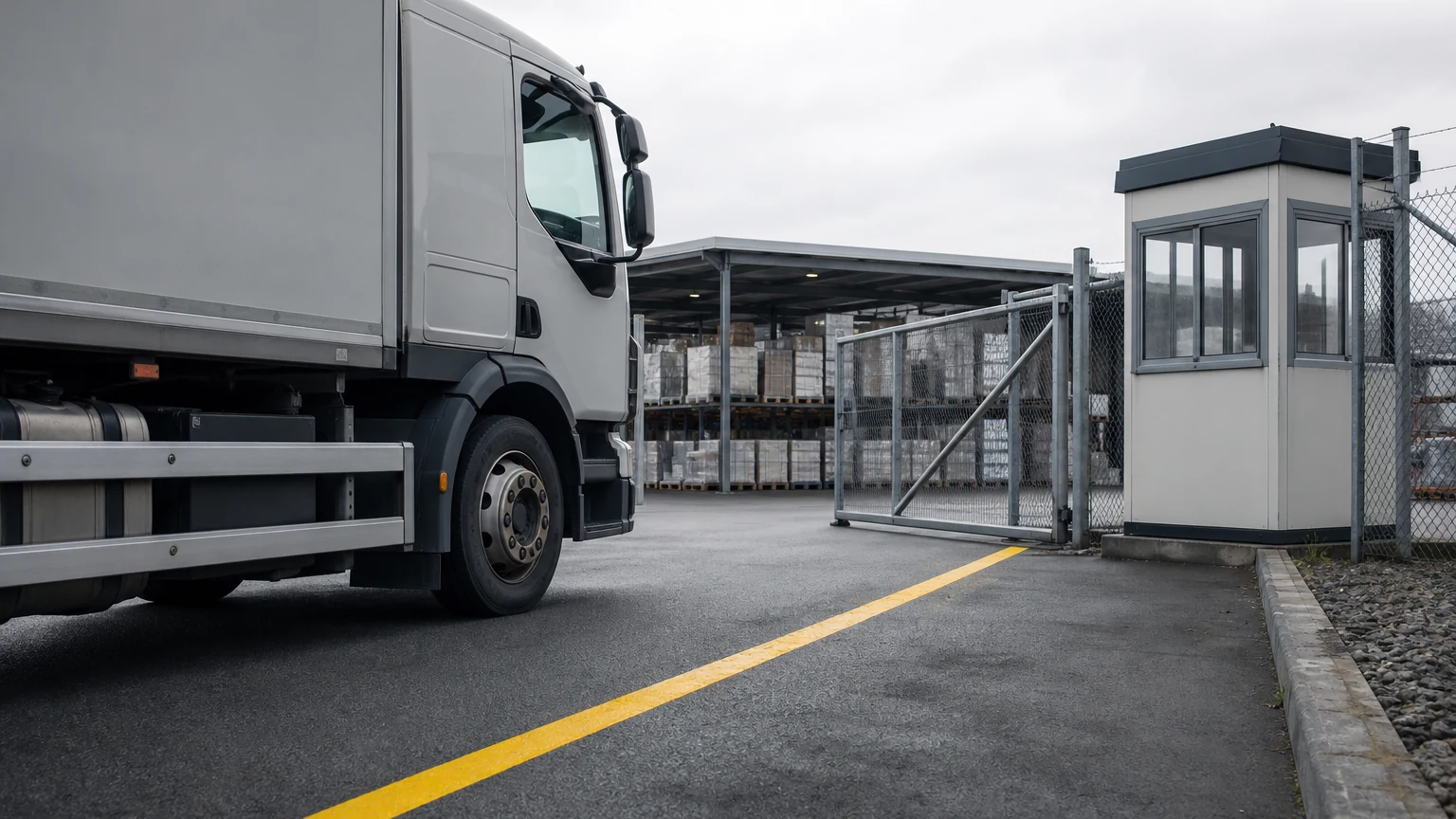
Incoterms 2020 tightened this point deliberately, because it was the single largest source of FCA disputes. Where the named place is the seller’s premises, delivery is complete when the goods are loaded onto the buyer’s collecting vehicle. Where the named place is any other location — a forwarder’s warehouse, a terminal, an airport — delivery is complete when the goods arrive at that place on the seller’s arriving transport, ready for unloading, and the seller is not obliged to unload them.
Read those two sentences again, because they reverse who does the physical work. If your contract says “FCA Shanghai” and the named place is your own factory, you load. If it says “FCA Shanghai Pudong Airport” and the goods travel there on your truck, the buyer’s agent unloads. Ambiguity here produces the classic argument at the dock: the driver refuses to unload, the forwarder’s staff will not touch it, and the container misses its cut-off.
The practical fix costs nothing: name the place precisely in the contract, including the full address and, where a site has multiple gates or warehouses, the exact facility. Where loading or unloading obligations are genuinely shared or unusual, say so in the sales contract rather than assuming Incoterms will settle it. If you are planning the physical loading of a mixed consignment, the Container Loading Estimator helps you confirm what will actually fit before the vehicle arrives.

Where cost and risk pass — and the insurance gap
Under FCA the seller bears all costs and risk up to the point of delivery at the named place. After that, the buyer bears them. The buyer pays the main carriage, the freight, the insurance, and the destination charges. This is why FCA often looks attractive to a seller comparing quotations: the headline logistics cost leaves your books early.
The gap to watch is insurance. FCA does not oblige either party to insure the goods. The seller has no obligation, and the buyer has no obligation. In practice the buyer usually insures, because the risk sits with them from the named place onwards — but if the buyer simply does not, goods that are damaged in transit are uninsured, and the argument about who should have arranged cover happens after the loss, which is the worst possible time.
Two habits close that gap. First, make insurance an explicit contract term rather than something implied by the Incoterm. Second, model the delivered cost on both sides of the handover so that neither party is surprised by what the term excludes — duty, terminal handling, and inland delivery are the usual omissions. The Landed Cost Calculator is built for that comparison.
Export clearance and documentation stay with the seller
Under FCA the seller handles export clearance. That means the export declaration, any export licence or permit the goods require, and the security and pre-arrival information the origin authorities demand. This is a deliberate difference from EXW, where export clearance formally falls to the buyer — an arrangement that is impractical whenever the buyer has no legal presence in the seller’s country.
On documentation, the seller provides the commercial invoice, the packing list, and proof of delivery to the carrier, and must assist the buyer with any documents the buyer needs for the destination — certificates of origin, inspection certificates, and the like. If you are assembling that file for the first time, the Export Document Checklist turns it into a per-shipment list, and our guide to shipping documents for export explains what each document is actually used for at the border.
One consequence of FCA that exporters underrate: because you deliver to the buyer’s carrier, the transport document is issued to the carrier’s instructions, not yours. Agree in advance how you will obtain proof of delivery — a dated receipt, a driver’s signature, a forwarder’s goods received note. Without it, a buyer who claims the goods never arrived leaves you with nothing to show.
FCA vs FOB: why containerised cargo usually belongs on FCA
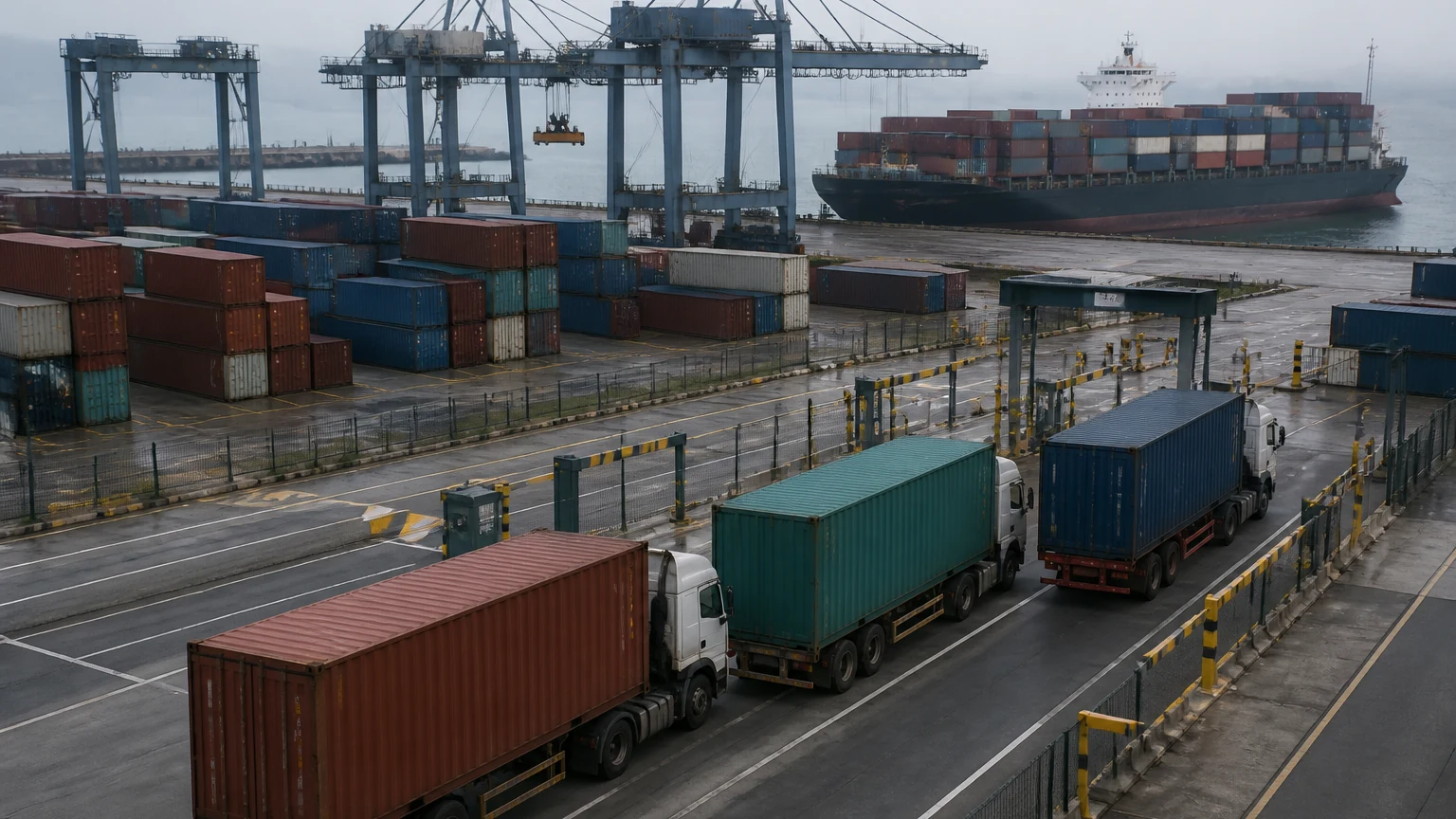
FOB requires the seller to deliver the goods on board the vessel. For breakbulk cargo loaded directly at the quay that works. For a container, it does not: the container is handed to the terminal days before the ship berths, so the seller has surrendered the goods long before the point FOB says delivery happens. Between those two moments, FOB leaves a window in which the seller has no control and arguably still carries the risk.
FCA removes the distortion. Delivery happens when the container is handed to the carrier at the named place, which matches what physically occurs. The seller stops carrying risk at the moment they lose control of the goods, and the freight terms the buyer negotiates reflect the actual movement.
The counter-argument is financing. Banks financing a letter of credit have historically asked for an on-board bill of lading, which FOB produces naturally and FCA may not. Where the payment instrument requires an on-board document, that is a commercial reason to use FOB — but recognise it as a financing choice, not an operational one, and price the extra risk accordingly. Comparing quotes on the two terms without normalising that difference is a common error; the Freight Quote Comparison Calculator exists to put quotes on a like-for-like basis.

FCA vs EXW: the export clearance question
EXW is the shortest obligation in the whole set. The seller makes the goods available at their own premises; the buyer collects, loads, clears for export, and does everything else. On paper it is the minimum-risk option for the seller. In practice it frequently breaks, for one reason: export clearance is legally the seller’s responsibility in many jurisdictions regardless of what the contract says, and a foreign buyer usually cannot file an export declaration in the seller’s country at all.
That is why FCA is normally described as the more workable alternative to EXW. The seller keeps the export declaration — which they are best placed to do — while still handing off the main carriage early. The buyer gets a clean delivery at an agreed place rather than having to organise a truck to a foreign factory.
The comparison also matters for contract risk. An EXW contract that leaves export clearance with a buyer who cannot perform it creates a gap the seller will ultimately have to fill, unpaid. Where the commercial relationship is more involved — staged payments, performance obligations, penalties — it is worth having the delivery and risk clauses reviewed as a set rather than piecemeal; see TradeShield Contract Risk Review.
FCA, FOB and EXW compared
| Obligation | EXW | FCA | FOB |
|---|---|---|---|
| Loading at seller’s premises | Buyer | Seller (when that is the named place) | Seller |
| Inland transport to the handover point | Buyer | Seller | Seller |
| Export clearance | Buyer (impractical in many cases) | Seller | Seller |
| Risk passes | At the seller’s premises, goods not loaded | On delivery to the carrier at the named place | On board the vessel |
| Main carriage | Buyer | Buyer | Buyer |
| Fits containerised cargo | Poorly | Well | Awkward in practice |
| On-board bill of lading available | No | Not by default | Yes |
Two rows deserve emphasis. The risk row is the one that decides who claims on insurance when something goes wrong, and the last row is the one that decides whether your letter of credit will be honoured. Choose the term that satisfies the payment instrument first, then optimise the logistics around it. Where duty and import taxes are part of the picture, model them separately with the Customs Duty & Import Tax Calculator rather than folding them into a freight number.
A working checklist for FCA shipments
FCA rewards preparation more than any other term, because so much of its value depends on details agreed before the goods move. Run this list on every FCA order.
• Name the place completely. Full address or terminal name, plus whether it is your premises or a third-party location, because that single distinction determines who loads.
• Name the carrier. FCA requires delivery to a carrier the buyer nominates. If the contract does not identify them, the seller has no one to deliver to.
• Confirm the collection window. A truck that arrives outside the agreed window, or a loading slot nobody booked, breaks the term on the first day.
• Agree proof of delivery. Decide in advance what document evidences handover and who signs it.
• Confirm export clearances are in place. Licences and permits are the seller’s responsibility under FCA and can take longer than the shipment itself.
• Make the goods identifiable. Marks and numbers on the cartons matching the packing list. The Packing List Builder produces consistent package data, and the Shipping Marks Generator keeps marks aligned with it.
Four mistakes that cost real money
• Writing “FCA” with no place. An FCA term without a named place is not a term at all. The place is what defines delivery.
• Assuming FCA includes loading. It does — but only where the named place is your own premises. At any other location, unloading is the buyer’s side of the handover.
• Leaving insurance implied. Neither party is obliged to insure under FCA. If cover matters, write it into the contract.
• Choosing FOB by default for containers. FOB asks you to deliver on board, which is not what happens to a container. The result is a risk window that nobody has priced. Where volume and chargeable weight need checking before booking, the LCL Freight Charge Calculator helps you confirm what the carrier will actually bill.
All four share a cause: the term was treated as a label rather than as a set of obligations. “FCA” on a quotation tells the buyer almost nothing until the place is named, the carrier is identified, and insurance is allocated. Read the mistakes as a checklist for drafting rather than as complaints about the rule itself, and each one becomes a line you can verify before the order is confirmed.
What to do next
Take your next contract and check three things. First, that every FCA term names a place in full, and that you know whether it is your premises or somewhere else, because that decides who loads. Second, that the carrier and the collection window are identified, so that delivery has a defined destination. Third, that export clearance and insurance are explicitly allocated rather than assumed.
Those three checks remove the disputes that FCA is most often blamed for — disputes that are really drafting failures rather than flaws in the term. FCA is a good rule for containerised trade; it just needs the place named and the obligations written down. Confirm the rule you have chosen against the Incoterms® 2020 Selector, and price the delivered total with the Landed Cost Calculator before you quote. Our guide to what landed cost is covers how that delivered figure is built up line by line.
Where you are comparing FCA against FOB or EXW for an existing customer, the useful exercise is not to pick the term with the lowest freight number, but to write out both parties’ obligations side by side for each option and see which one your buyer can actually perform. The term that matches capability is almost always the one that costs least in the end. Where the goods move by sea and the seller arranges carriage and insurance rather than the buyer, our guide to CIF Incoterms 2020 covers where cost and risk separate under that rule.